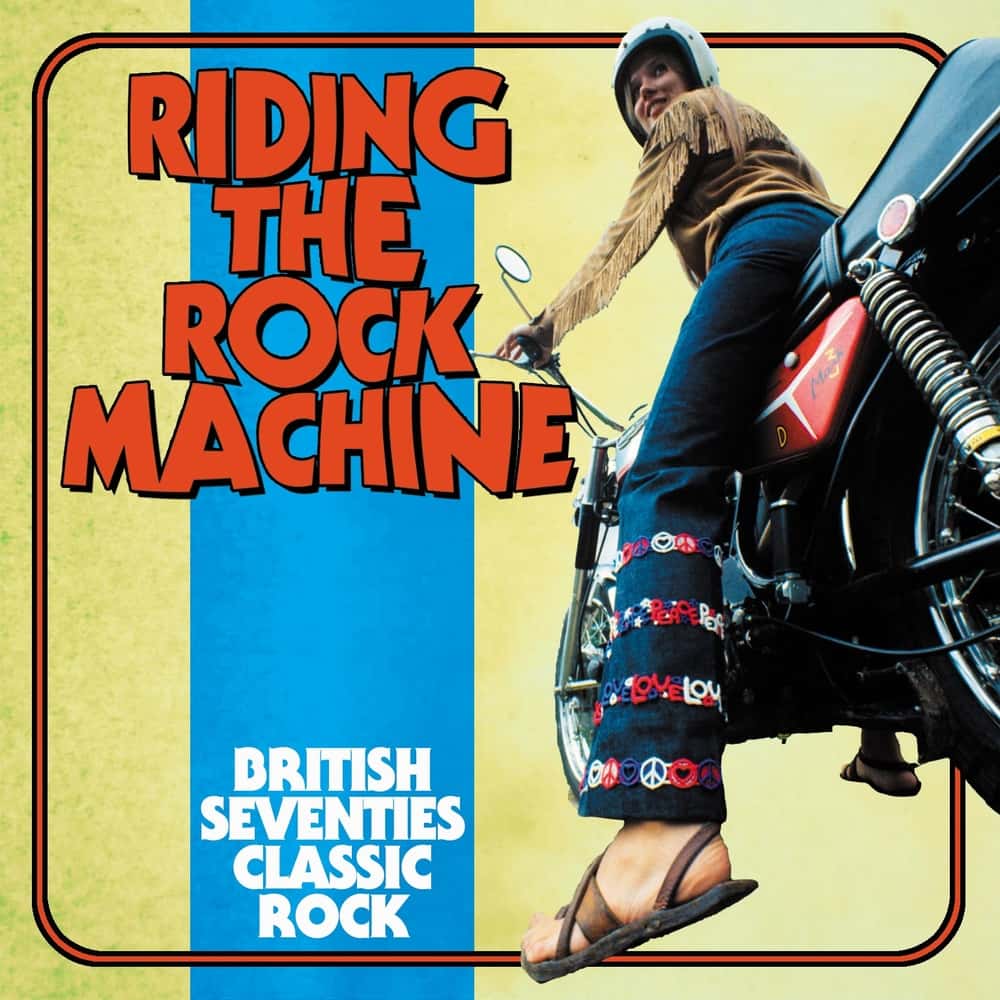
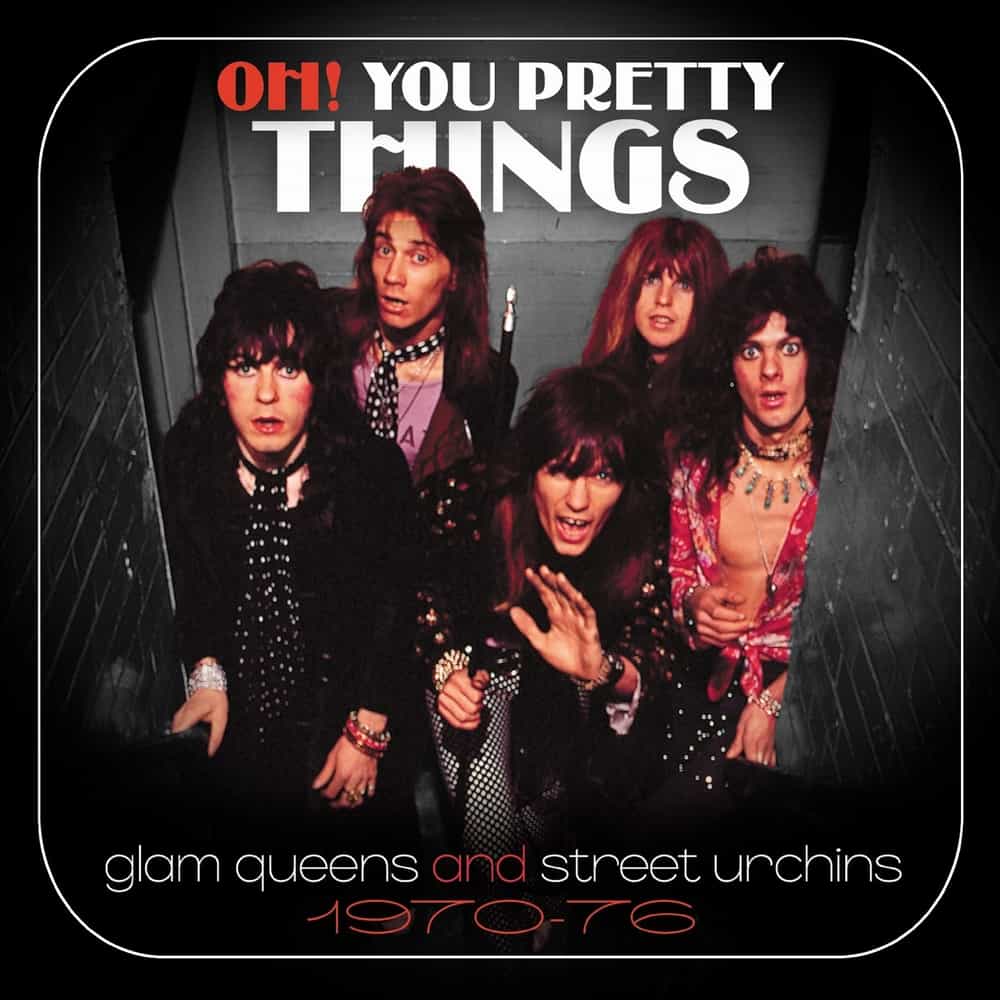
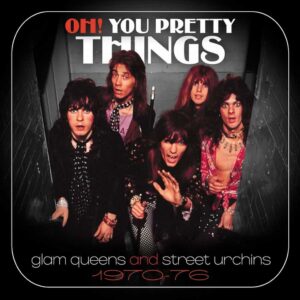
 There are few things as ubiquitous with the 1970s as glam rock. The first half of the decade’s music was shaped by David Bowie in his Ziggy and Aladdin pomp, Marc Bolan’s colourful pixie-like antics on Top of The Pops, and a run of stompin’ great hits from Birmingham’s finest, Slade. Mike Chapman and Nicky Chinn penned a truckload of hits for Mickie Most’s RAK label, making the music mogul’s yacht almost as famous as the acts themselves. In full leathers, Suzi Quatro helped pave the way for a generation of female rock stars and self-confessed “navvies in mascara” Sweet hadn’t “got a clue what to do”. On the artier end of things, there were Roxy Music’s appearances on the Old Grey Whistle Test where Bryan Ferry and company looked – and, indeed, sounded – like they’d been dropped to Earth by aliens and Sparks’ appearances between the likes of The Hollies and Wings on your favourite Thursday evening pop show had ability to frighten small children. It was very much a fertile time for new pop music.
Continue reading →