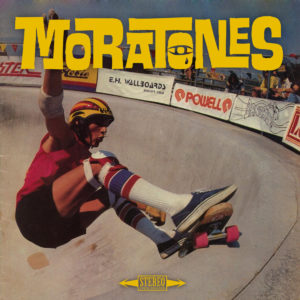
 Every week, new bands surface playing homage to the Ramones, The Queers and their ilk, and about once a month, you’ll probably find one good enough to add to your regular punk playlist. Such is the case with Moratones, a Spanish take on classic pop punk themes. On this EP release, their music is played with such authenticity that, within about a minute, you’ll completely forget that the vocals are all in Spanish and just get swept along with the band’s general love for the style.
Category Archives: Album & EP Reviews
THE DIRTY TRUCKERS – Tiger Stripes EP
 Aah, Boston. How we love you. Home to Buffalo Tom. Home to The Russians. Home to Aerosmith, The Lemonheads, Pixies, Mission of Burma, ‘Til Tuesday and countless other great bands. Boston is probably second only to New York as the US’s spiritual home of great rock music.
Boston is also home to The Neighborhoods, Watts, Tom Baker & The Snakes and Worshipper, all of whom have connections to The Dirty Truckers.
KING BLACK ACID & THE CRYSTAL UNICORN – Super Beautiful Magic
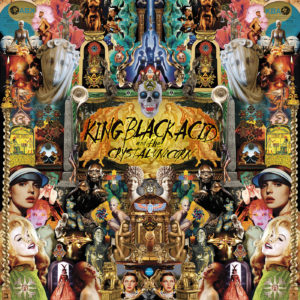 In March 2017, retro rock band King Black Acid released their ‘Twin Flames‘ EP. Despite ’17 barely being a few months old at that point, it was clear that the EP was special enough to potentially be one of the year’s best releases. Bringing together the sounds of Crazy Horse, Band of Horses and more besides (not necessarily horse related), its three tracks dropped the listener into a twenty minute musical cycle that was both other worldly and pretty much timeless. If ever there were a great example of music being utterly satisfying, then ‘Twin Flames’ most assuredly fit the bill.
THE KING’S PARADE – Haze EP
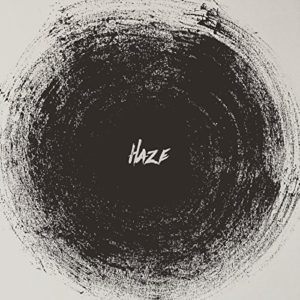 The King’s Parade perfected their craft on a cruise ship. They were arrested for busking in Leicester Square. They’ve been given recognition by the city’s resident buffoon/sometime mayor, Boris Johnson…but frankly, don’t let any of that put you off, since the good far outweighs the bad here.
JET BLACK SEA – Absorption Lines
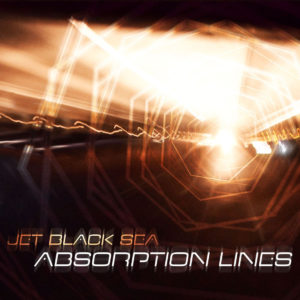 When a musician is both prolific and open to lots of influences, they’ll end up with lots of musical ideas that don’t quite fit their regular outlet. Such is the case for multi-instrumentalist Adrian Jones. Whilst working on the Nine Stones Close album ‘One Eye On The Sunrise’, he and studio engineer/multi-instrumentalist Michel Simons recorded various pieces of music of a more laid-back and ambient nature. Rather more rooted within electronica and the darker worlds of Massive Attack than rock, the musical ideas were eventually released as an album, ‘The Path of Least Existence‘ credited to Jet Black Sea in 2013. With Jones returning to Nine Stones Close almost immediately afterwards and their ‘Leaves‘ album featuring some very dark and anguished material, it seemed like Jet Black Sea was merely a temporary outlet. A brilliant outlet, but not necessarily an ongoing fixture in the 9SC family tree. However, three years after their first Sea voyage, Jones and Simons re-entered the studio.