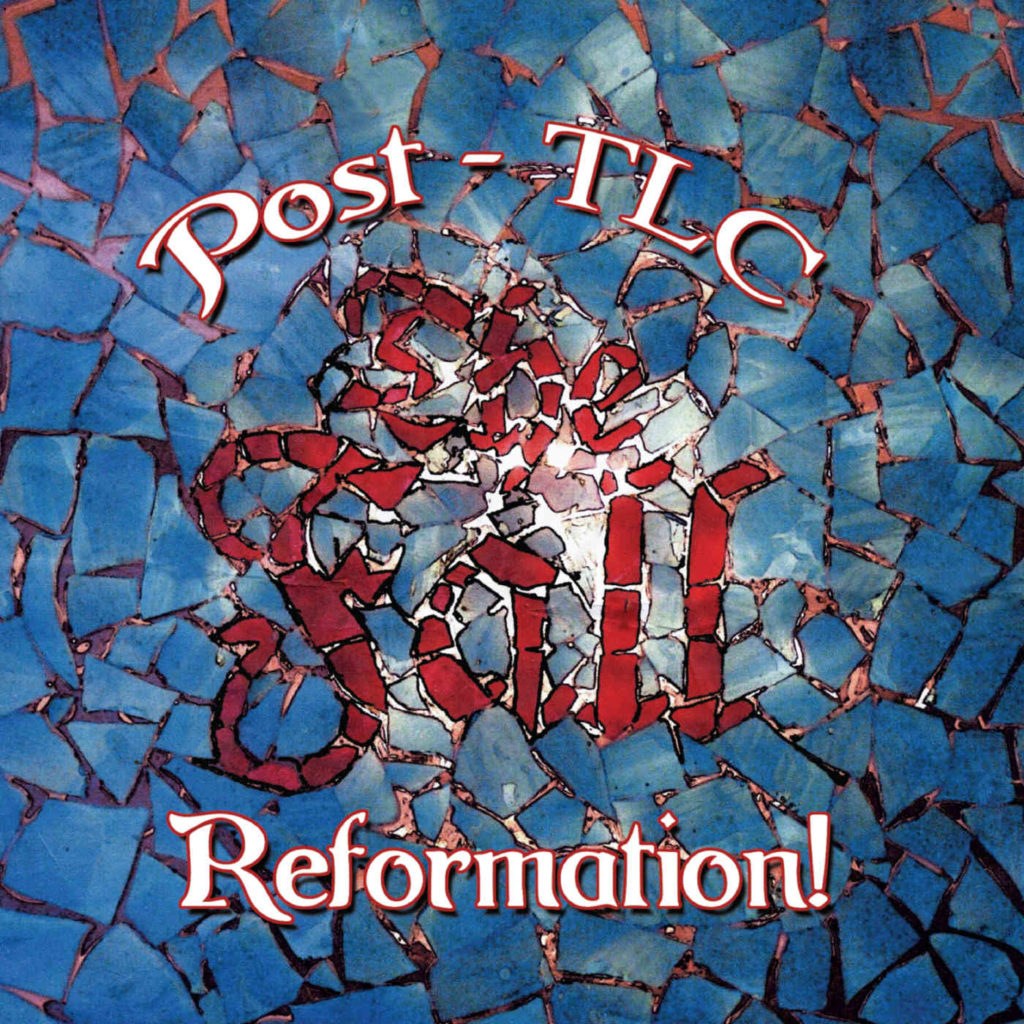
Following the mammoth 6CD box set containing a wealth of Fall recordings surrounding ‘Hex Enduction Hour’, the FALL SOUND ARCHIVE series takes a massive leap forward to 2007 in March with a massive four disc reissue of ‘Reformation Post TLC’.
Following the mammoth 6CD box set containing a wealth of Fall recordings surrounding ‘Hex Enduction Hour’, the FALL SOUND ARCHIVE series takes a massive leap forward to 2007 in March with a massive four disc reissue of ‘Reformation Post TLC’.
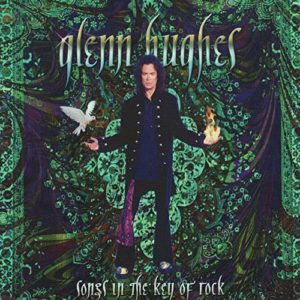 With the string of superb albums starting with 1992’s ‘From Now On…’ through to 1999’s ‘The Way It Is’, the legendary Glenn Hughes released his most consistent block of work ever. Moving into the new century, both ‘Return of The Crystal Karma’ (2000) and ‘Soul of A New Machine’ were enjoyable enough, but sometimes lacked the overall consistency of those 90s albums. In 2003, Hughes released ‘Songs In The Key of Rock’, an album that pretty much showed off his full vocal range on a collection of brilliantly constructed hard rock tunes.
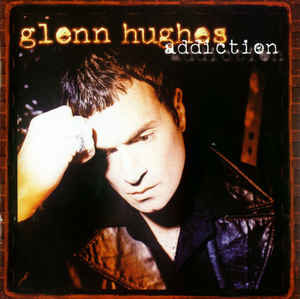 Two years after the release of the soul tinged ‘Feel’, Glenn Hughes returned with ‘Addiction’ – an album that couldn’t be any more different from its predecessor if it tried. With Hughes in the middle of a work frenzy, ‘Addiction’ found him not only returning to hard rock in a big way, but delivering his heaviest solo album to date.
‘Addiction’ is an album that has weathered all kinds of musical storms and from both a performance and production value still sounds absolutely terrific. Not that it was well received by everyone upon release back in 1996. Some older listeners felt that Hughes had adopted “grunge sympathies”, a lazy, somewhat ignorant claim that seemed to miss the fact that the album is also varied in style. Decades on, such claims seem even sillier, as with the passing of time, Soundgarden – and sadly missed vocalist Chris Cornell – have very much joined the pantheon of classic rock acts and Cornell’s approach to vocals never seemed that far removed from the likes of Glenn Hughes and David Coverdale anyway. [If you’re still blinkered enough to not believe this, the proof is there in tracks like Temple of The Dog’s ‘Call Me A Dog’ and ‘All Night Thing’.]
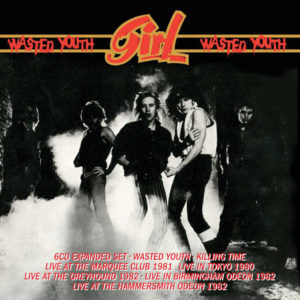 Girl’s debut album ‘Sheer Greed’ wasn’t a massive success upon release in January 1980. It reached a modest #33 on the UK album chart and spawned two flop singles. With Iron Maiden, Saxon, Judas Priest and Motorhead all scoring top five hits on the album charts during the year, so with that in mind, Girl’s chart placing seemed somewhat modest. However, what the young band had lacked in sales they made up for with a sheer weight of live appearances. Regulars at the legendary Marquee, the band also supported a lot of famous rock acts throughout 1980 and 1981 and rarely seemed to be off the road.
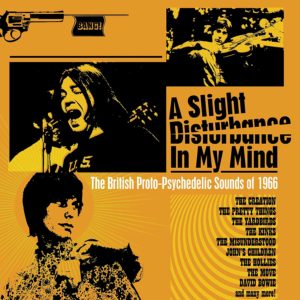 1966 was very much a turning point for pop music. Many acts that were considered beat groups had started to branch out and to think beyond live performance. With orchestral tracks like ‘Eleanor Rigby’ and ‘For No One’ Paul McCartney pushed forth the idea of baroque pop. John Lennon, meanwhile, was experimenting with tape loops and early forms of electronica. His ‘Tomorrow Never Knows’, closing The Beatles’ 1966 masterpiece ‘Revolver’, is often considered to be at least partially responsible for the birth of true psychedelia. While it’s obvious Lennon’s sound collage took a massive leap towards the mind expanding sounds of ’67, many other bands were sowing the seeds for change a little earlier. As early as 1965, The Kinks pushed boundaries with their single ‘See My Friends’ – a mix of jangling sixties pop and raga music – while even the Dave Clarke Five had occasionally sounded a bit…out there for the era with an increased use of reverb. While the roots of psychedelia could be argued over almost indefinitely, The Yardbirds’ ‘Shapes of Things’ – a fuzzy mish-mash of beat-pop and soft druggy haze – pre-dates the release of ‘Revolver’ by several months and is very much in the mould that would come to be known as freakbeat. An important branch of the psychedelia family tree, freakbeat took the bones of the sixties sound, loaded it with fuzz and wasn’t shy in exploiting the left/right split for stereo head trips. In 1966, this was very much at the forefront of emerging alternative sounds.