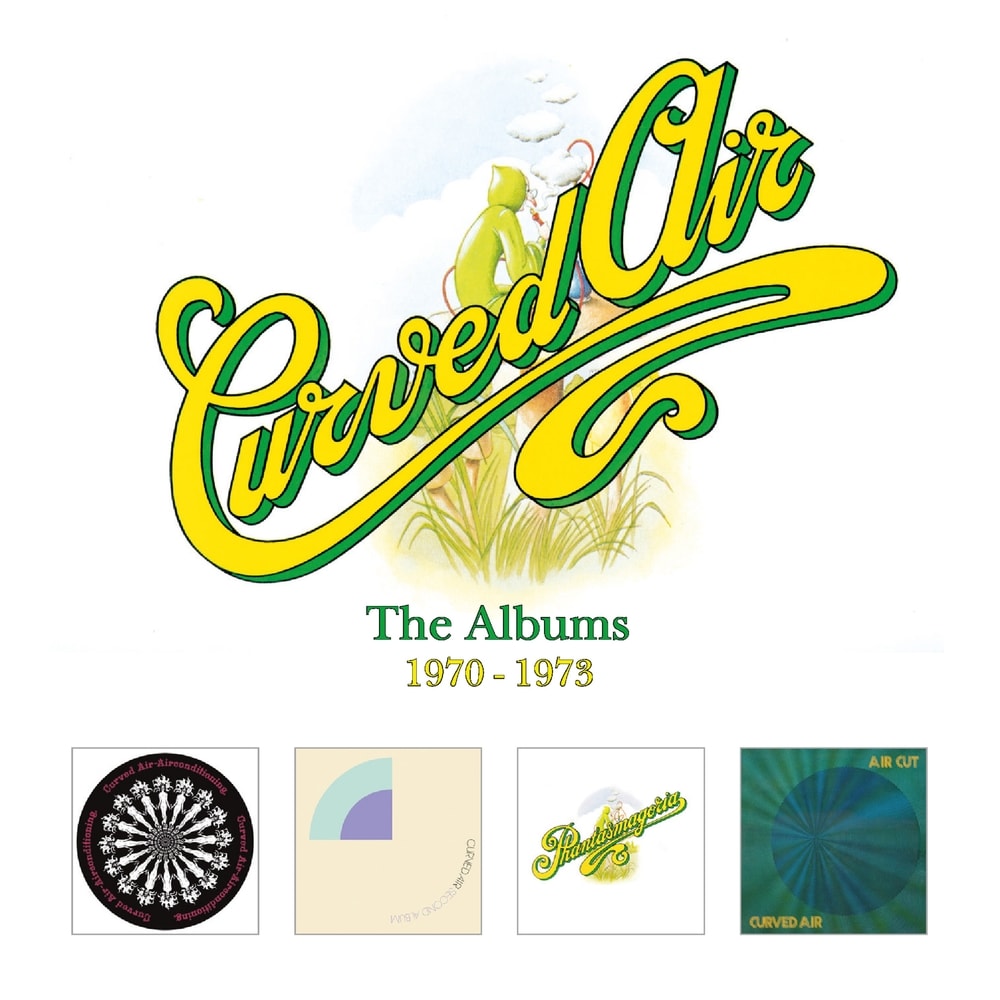
 For most people, British progressive rock band Curved Air are known for two things: being the first band to ever issue a picture disc and for the having the legendary Stewart Copeland having occupy their drum stool in the mid 70s. Considering that vocalist Sonja Kristina had previously been an important part of the London theatre scene in the late sixties – appearing in Hair – and Curved Air actually scored a UK top five hit single in 1971, you’d expect them to be more widely celebrated. Perhaps the reason they aren’t is due to lots of their classically- and jazz-derived music being very hard going. Their earlier work often values complexity over obvious hooks – something that makes the funky ‘Back Street Luv’ single seem like something of an anomaly – and the way they switch between different moods from track to track can, at first, be disorienting. They are very much a band that requires a lot of time and patience before most of the listening rewards become obvious.
Tag Archives: cherry red records
The Almighty: Powertrippin’ deluxe edition due in February
When The Almighty played the Donington Monsters of Rock Festival in August 1992, they were only the opening act, but they played like a band at the top of their game. Those forty minutes still play like one of the era’s most exciting live sets. Particularly notable was the performance of upcoming single ‘Addiction’, taking the band in a heavier direction – a sign of things to come on the soon to be released new album.
J MASCIS – Fed Up And Feeling Strange (Live And In Person 1992-1998)
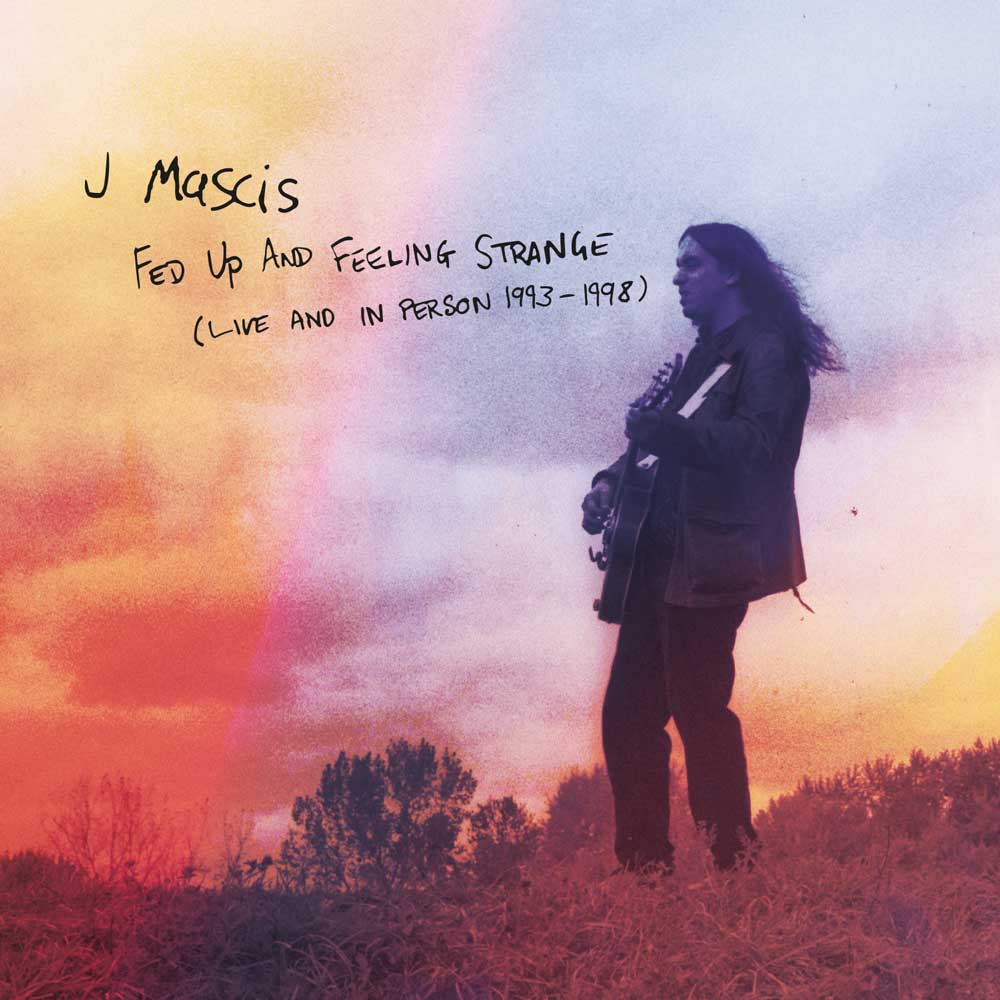 As co-leader of Dinosaur Jr and a reluctant figurehead for the slacker movement, Joseph Donald Mascis, Jr. became a hero to a generation. In the early mid-90s his band became favourites of MTV’s 120 Minutes, were fixtures on the festival circuit and were even booked for a live in-studio performance for the BBC arts review, The Late Show. During the first part of their career, Dinosaur Jr were a vital part of the alternative music scene; in their reconvened state and with great albums like ‘I Bet On Sky’ (2012), they continued to provide a huge influence over many bands where the distortion pedal reigns.
Given how much love has been lavished upon Dinosaur Jr over the decades, it’s strange how J’s solo catalogue has barely been afforded such high praise. Far fewer people have taken time to appreciate his ‘Songs For Amma’, his albums with The Fog or the one man acoustic works that have previously circulated. His extra curricular output has been met with such an indifference (by comparison) that even his classic ‘Martin + Me’ live recording failed to get a full UK release back in 1996.
HEAD MACHINE – Orgasm
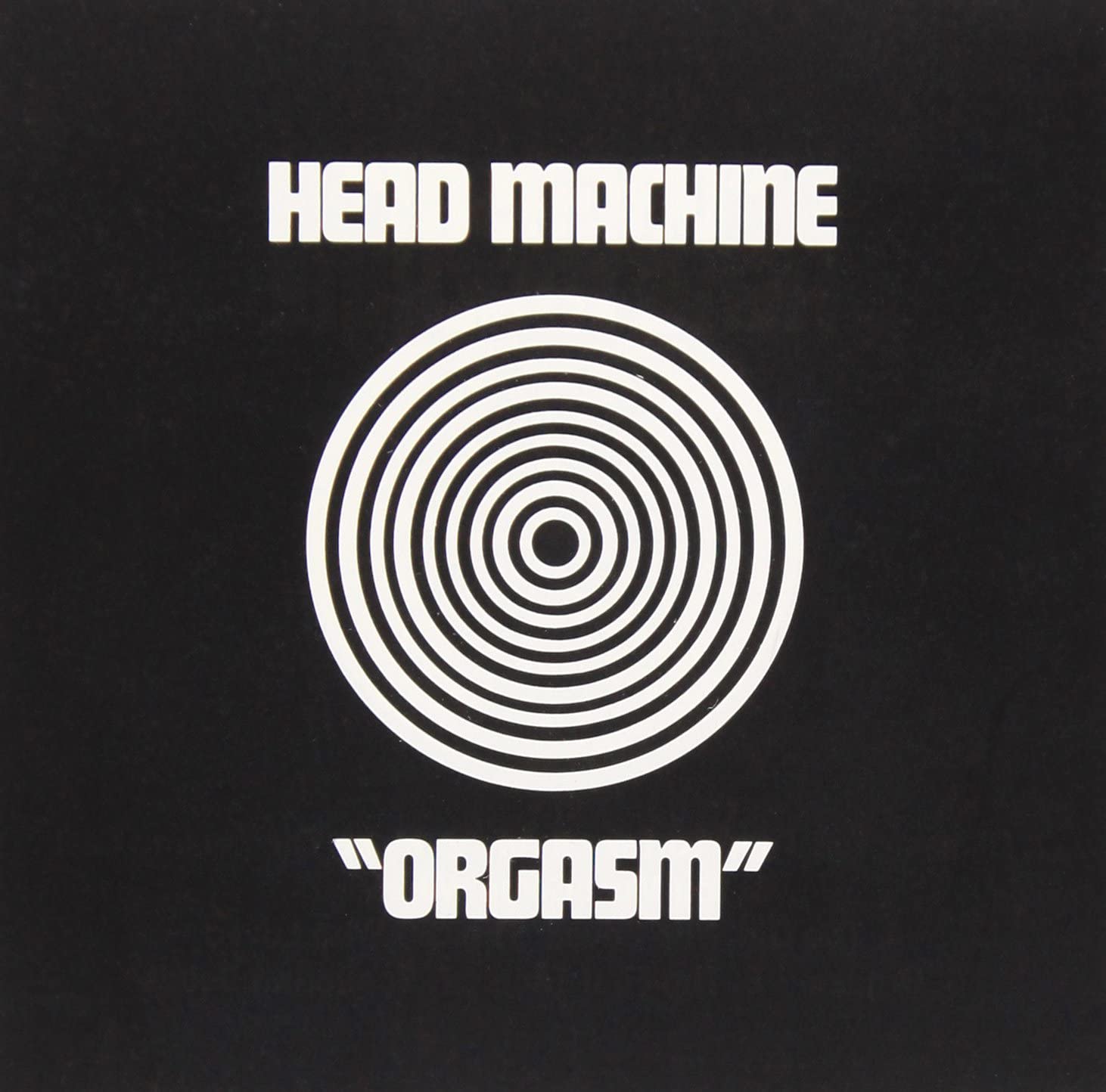 As the 60s gave way to the 70s, some musical fashions began to take a more aggressive turn. The psychedelia and blues that had been a dominance force on the rock scene had started to fade and while some of the psych bands took the leap into full-on prog rock waters, many psych bands merely just fizzled out. Deep Purple, whose early mixture of psychedelia, rock covers and blues took a harder direction and helped forge what would soon be known as heavy metal; Status Quo – who’d had major success with a couple of brilliant psych-pop singles – floundered for a bit and eventually became a lynchpin of a no nonsense boogie rock sound. In February 1970, the Black Sabbath debut changed everything, killing the last remnants of a 1960s optimism for good. For The Gods – a little known rock pop band who’d released two unsuccessful LPs – the writing seemed to be very much on the wall. In what appeared to be a last throw of the dice, they changed their name and beefed up their sound in an attempt to rejuvenate their ailing career.
Real Gone’s End of Year Round-Up 2020
By the end of 2019, few people would have suggested we’d live through a year any more devastating than 2016. That year, famous musicians seemed to be dying on a weekly basis. 2020 had even more of a drastic effect on the music industry with a global pandemic putting a halt on gigs and forcing various small, grass roots venues to close their doors forever.
On the plus side – and you always have to look for a positive, even in the most dire of circumstances – a dramatic change in circumstances has forced musicians to change their way of working. For those with home studios, it’s meant we’ve seen an increase in output. We’ve even been given unexpected albums – right at the end of the year, there were surprise releases from Paul McCartney and Taylor Swift and various other interesting albums were put together remotely. …And as we take stock on a terrible year, it seems that the gift of recorded music has been one of our only constants: 2020 may have been an absolute bastard in so many ways, but we’ve all found new music to love.