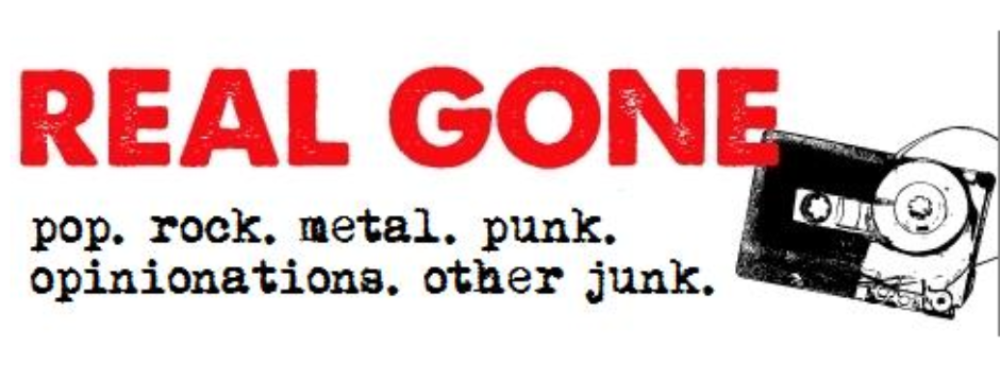
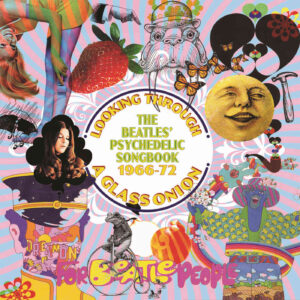
 The Beatles can arguably claim to being the most covered band in the history of recorded music. Pretty much everything they released between 1962-1970 has been covered at some time, and by bands and artists from right across the musical spectrum. Dig deep enough into the internet, you’ll even find other people reinterpreting ‘Revolution 9’, surely the most marginal of Beatles recordings. Even while the band was still active – long before being considered of any real historical importance – their work was being reinterpreted by high profile artists in a disparate range of styles. Most notably, The Beach Boys, Jimi Hendrix, Booker T. & The MG’s, Otis Redding and Elvis Presley put their own stamp on various Fab Four classics, but for every hit interpretation, several dozen others could be found languishing on cult albums and under-bought singles.
Tag Archives: 70s
TRAPEZE – You Are The Music, We’re Just The Band
 For a lot of rock fans, Glenn Hughes first came to prominence when he joined Deep Purple in 1974. In the few years leading up to that big breakthrough, he’d spent time working as bassist/vocalist with British rock band Trapeze. Although not big sellers, their first two albums were solid affairs, that showcased some talented musicians. 1970’s ‘Trapeze’ (produced by Moody Blues man John Lodge) presented a five piece band indulging in 60s freakouts and although enjoyable in its own way, almost felt dated by the time of its release in the May of that year. With Black Sabbath’s debut (released three months earlier) opening up new avenues for rock and the release of Deep Purple’s ‘In Rock’ literally a few weeks away, it was clear that Trapeze already sounded like yesterday’s men. By November, Trapeze had undergone an overhaul in both line up and sound and for their second album,‘Medusa’, the band’s core of Glenn Hughes (vox/bass), Mel Galley (guitar) and Dave Holland (drums) had reinvented themselves as a hard rocking power trio, cranking riffs in a style that often sounded like a tougher version of Free. With the previous hazy psychedelia having morphed into something harder and clearer, Hughes’s vocals were allowed to truly soar for the first time. A solid album, ‘Medusa’ showed a band who were truly on their way, but the best was yet to come…
PILOT – The Albums: 1974-1977
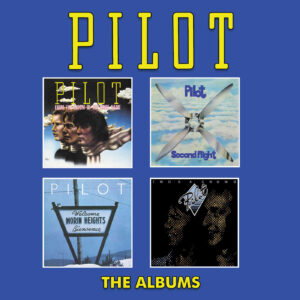 Although best remembered for massive hits ‘Magic’ and ‘January’, there was always far more to Pilot’s career in the 1970s. The Scottish pop-rockers released four albums between 1974 and 1977 containing well crafted pop and rock elements which, at their best, should’ve placed the band high on a pantheon of pop alongside 10cc and Andrew Gold. Instead, they’re sometimes remembered – somewhat unfairly – as part of the decade’s pop pin-up fare. Just take one listen to the giant fanfare that heralds the arrival of #1 hit ‘January’, with its multi-tracked guitars and enduringly jubilant vocal performance, or David Paton’s complex bass runs that cut through the heart of ‘Magic’, and it’s obvious this was no generic pop band.
The obviously titled ‘The Albums’ brings together all four of the band’s four major releases for the first time, including the first ever UK CD release for their ‘Two’s A Crowd’ LP from 1977. As those who’ve treasured their vinyl copies of the first two albums will suspect, this is a collection that features a fair amount of great material, but shows how Pilot weren’t always the most consistent among the decade’s pop-rockers.
VARIOUS ARTISTS – Peephole In My Brain: The British Progressive Pop Sounds of 1971
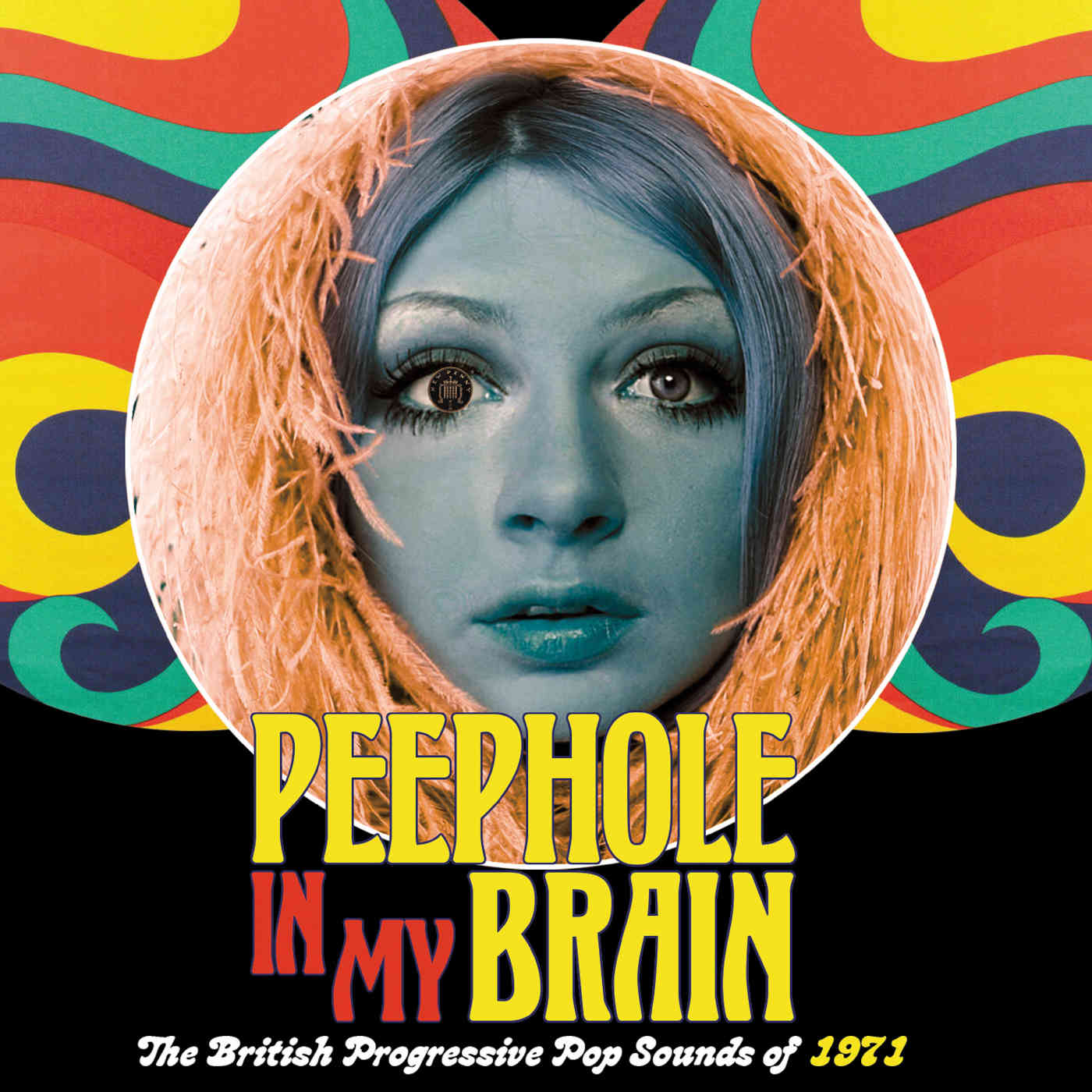 The box sets released by Grapefruit Records covering the second half of the 60s managed to bring together a lot of interesting material under the loose umbrella of psychedelia. The four box sets – featuring music from 1966-69 respectively – also took in bits of pop, freakbeat and folk, but with so many phased guitars, recurring themes of teatime and other whimsy dictated by a general soft drugs haze, they often felt like coherent packages. Once the yearly exploriations move the into the 70s, there isn’t quite such a focus; with the first wave of psychedelia in its death throes, as well the rise of hard rock and singer-songwriters, the early 70s paint from much broader musical palate.
A stylistic indecision hasn’t stopped Grapefruit from digging deep and turning up loads of interesting things to fill ‘Peephole In My Brain: The British Progressive Pop sounds of 1971’, of course, and its three discs are brimming with obscurities, flop singles, half remembered gems and deep album cuts. With the vaults of Harvest, Vertigo, Ember and various other labels truly raided, it’s a set that’s quite quirky in its own way – and a reminder that there was far more going on at the time than the Black Sabbath, Deep Purple, Yes and Tull-loving rock historians would have you believe.
ANDREW GOLD – Lonely Boy: The Asylum Years Anthology
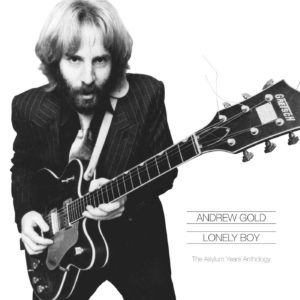 Andrew Gold had a prolific career, but to many people he will be best remembered for three songs. The schmaltzy MOR pop of ‘Never Let Her Slip Away’ gave Gold a massive hit in 1978; his ‘Thank You For Being A Friend’ eventually became an evergreen number thanks to being re-recorded as the theme for hit US comedy The Golden Girls and 1977’s ‘Lonely Boy’ became a hit on both sides of the Atlantic. A genuine pop classic, that song’s multi-layered kitchen sink arrangement ensures it sounds as good now as it ever did – a rival to the complex pop of 10cc and a track that gave Jellyfish every reason to exist. It’s a four minute joy: a world of stabbed pianos and a story-telling verse leads into a massive chorus full of whoahs, which in turn gives out some great staccato guitar work and ultimately one of the greatest guitar solos you’ll ever hear. If that sounds overly indulgent, it surely is – but it’s also power pop perfection.
‘Lonely Boy’ takes pride of place within this box set – presented in no fewer than four versions – but that’s only a small part of the picture. This anthology provides the ideal opportunity to explore Gold’s four albums for the legendary Asylum label, along with a host of extras within one lovingly curated package.
*