 In the late 60’s, singer-songwriter Graham Bonnet scored a massive hit single with cover of the Bee Gees’ ‘Only One Woman’ as part of pop duo The Marbles. Like so many pop acts of the era, The Marbles’ time at the top was brief. Neither of Marbles’ follow up singles or their album made anywhere near the same impact and they split soon after. Graham could’ve returned to his hometown of Skegness having at least briefly been a star, but realising he had more to give, he plugged on. He first made the move into recording advertising jingles as a means to pay bills, before releasing a couple more unsuccessful singles in the early 70s. Material for a solo album was recorded in 1974 but shelved for over forty years. After an appearance in the 1975 UK comedy film Three For All – starring his then partner Adrienne Posta – Bonnet finally made a step in a more positive direction career-wise when he signed a deal with the small Ring-O record label, with whom he released two full length albums, ‘Graham Bonnet’ (1977) and ‘No Bad Habits’ (1978).
Tag Archives: 70s
GRAHAM BONNET – Back Row In The Stalls
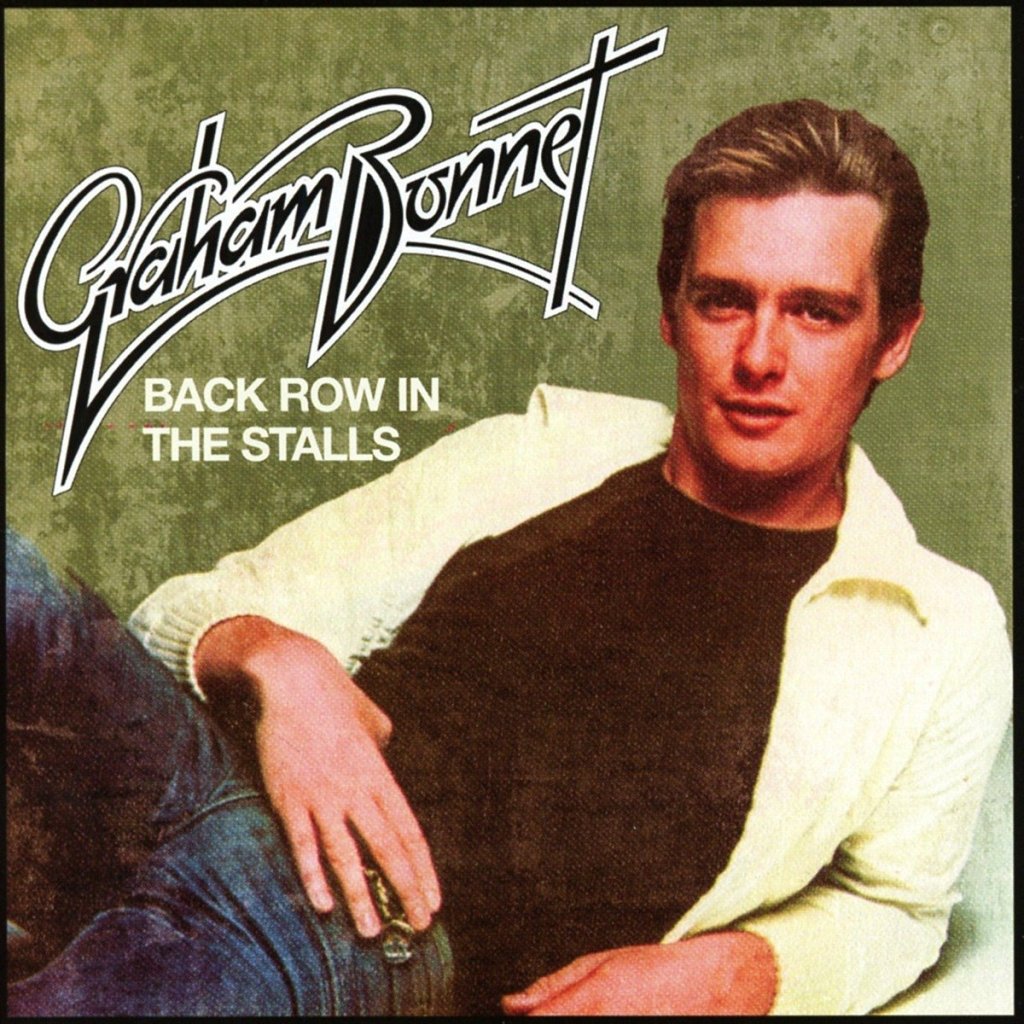 For most people, Graham Bonnet will be best known for his brief stint as Rainbow vocalist between 1979 and 1980. Although he didn’t get to spend long as Ritchie Blackmore’s singer of choice, his talents drove two of the band’s biggest singles – ‘All Night Long’ (a UK #5 hit) and the brilliant radio staple ‘Since You Been Gone’ (UK #6) – and he also performed with Rainbow when they headlined the first Monsters of Rock Festival in August 1980. You could definitely make a case for him being the band’s best-known voice.
Bonnet’s career as a professional singer started over a decade earlier and he achieved a brief spell of fame as one half of pop duo The Marbles, whose ‘Only One Woman’ (an oft-overlooked UK top 5 hit from 1968) showcased a voice that would later become an instantly recognisable talent. Following The Marbles’ early demise, Graham embarked on a solo career, but as careers go, it was rather slow to get off the ground. In 1974, he recorded material for what was to be his first solo album, but the recordings were shelved at the last moment. These were subsequently believed lost until they turned up on a cassette four decades later. Most of these songs were issued digitally as ‘Private-i (The Archives, Vol. 1)’ in 2015, but given the age of the average Bonnet buff, a bunch of digital files would never suffice. Thankfully, the bulk of the material – plus bonus tracks – appeared on CD the following year. With its original title reinstated, Graham’s debut LP finally became a reality.
VARIOUS ARTISTS – Living On The Hill: A Danish Underground Trip 1967-1974
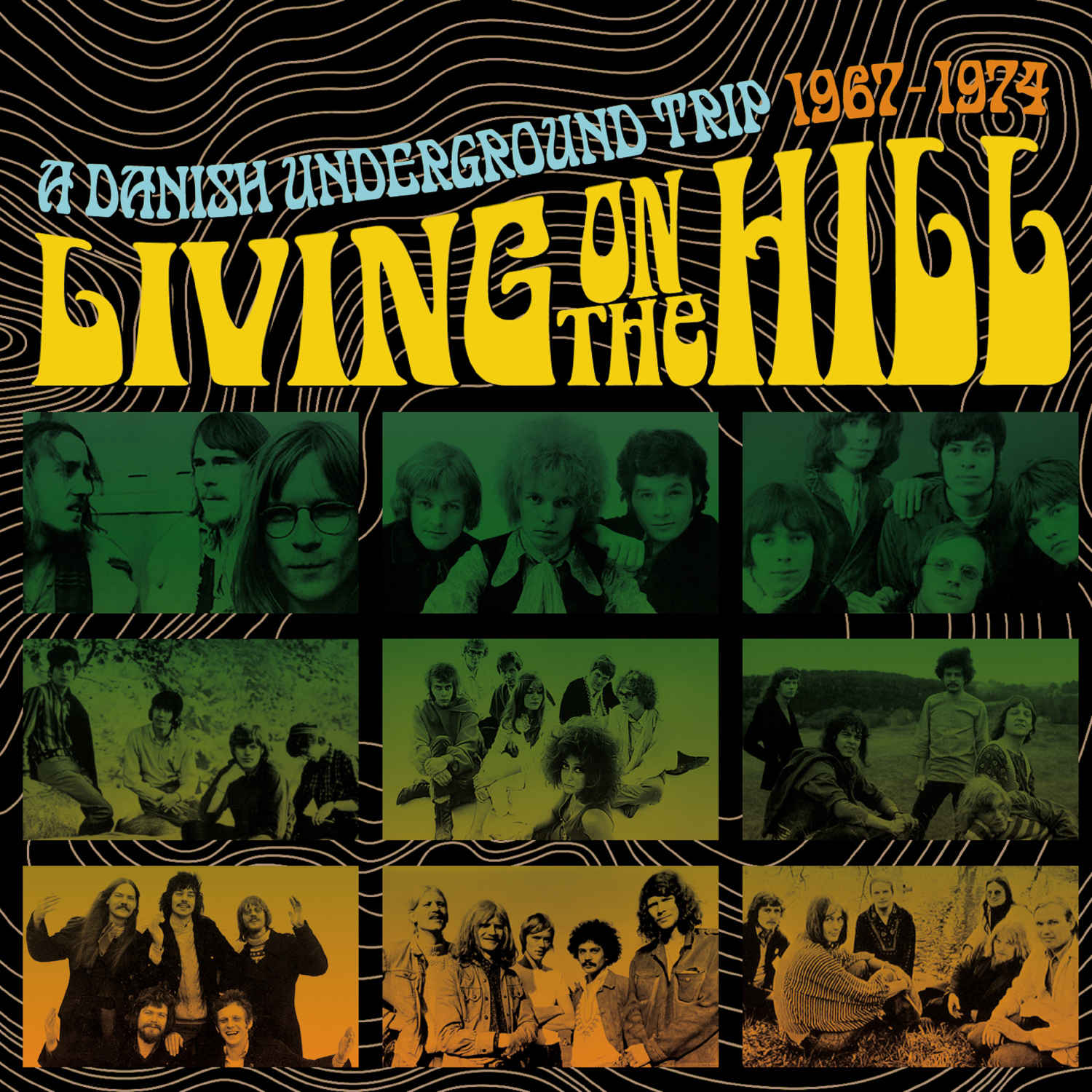 Europe’s love of progressive music has been well documented. The Italian record buying market was one of the only territories to take to Genesis before 1973 and The Netherlands’ own mark on the psych and prog genres became legendary thanks to bands like Ekseption, Trace and omnipresent yodellers Focus. Greece bore Aphrodite’s Child which, in turn, gave the world the talents of Vangelis, while the Germans’ own brand of progressive music took a much more experimental turn with Krautrock. Despite being fairly marginal from a commercial, both Kraftwerk and Tangerine Dream were taken to heart by a broad spectrum of UK record buyers in the 70s.
Despite so many different progressive subgenres breaking into the album charts from and wide, the Scandinavian contingent got far less of a look in. Sweden’s Kaipa latterly became one of the best known exports thanks to Roine Stolt’s later success with The Flower Kings and Anglagaard were loved by a few die hards, but outside of John Peel’s influence, Scandinavian prog never really found a true champion in the 60s and 70s or scored any genuine chart action.
PROCOL HARUM – Something Magic
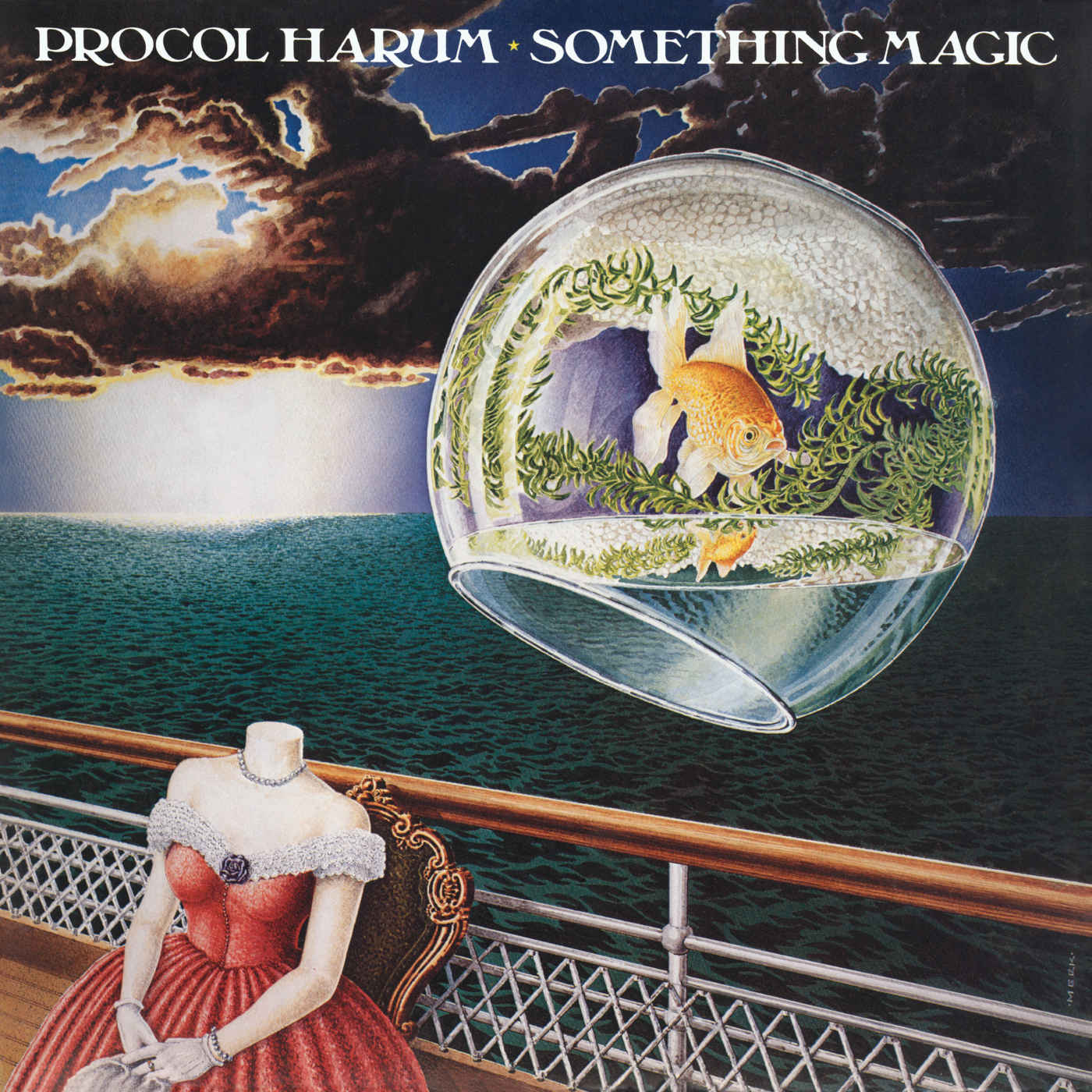 Procol Harum’s 1975 album, ‘Procol’s Ninth’, is hugely disliked by some fans. A far cry from the pomp, adventure and bombast of their early work, it took them in more of a pop-rock direction under the influence of producers Jerry Leiber & Mike Stoller. Against the band’s wishes, the record included covers of Leiber/Stoller’s ‘I Keep Forgetting’ and The Beatles’ classic ‘Eight Days A Week’. Although, in many ways, it remains a true oddity within the Procol canon, its an album to which time has actually been very kind, sounding better decades on. …And regardless of what you may have thought of the original LP, the two discs’ worth of live material appended to the Esoteric Records deluxe reissue in 2018 created a fine package.
SAMURAI – Samurai
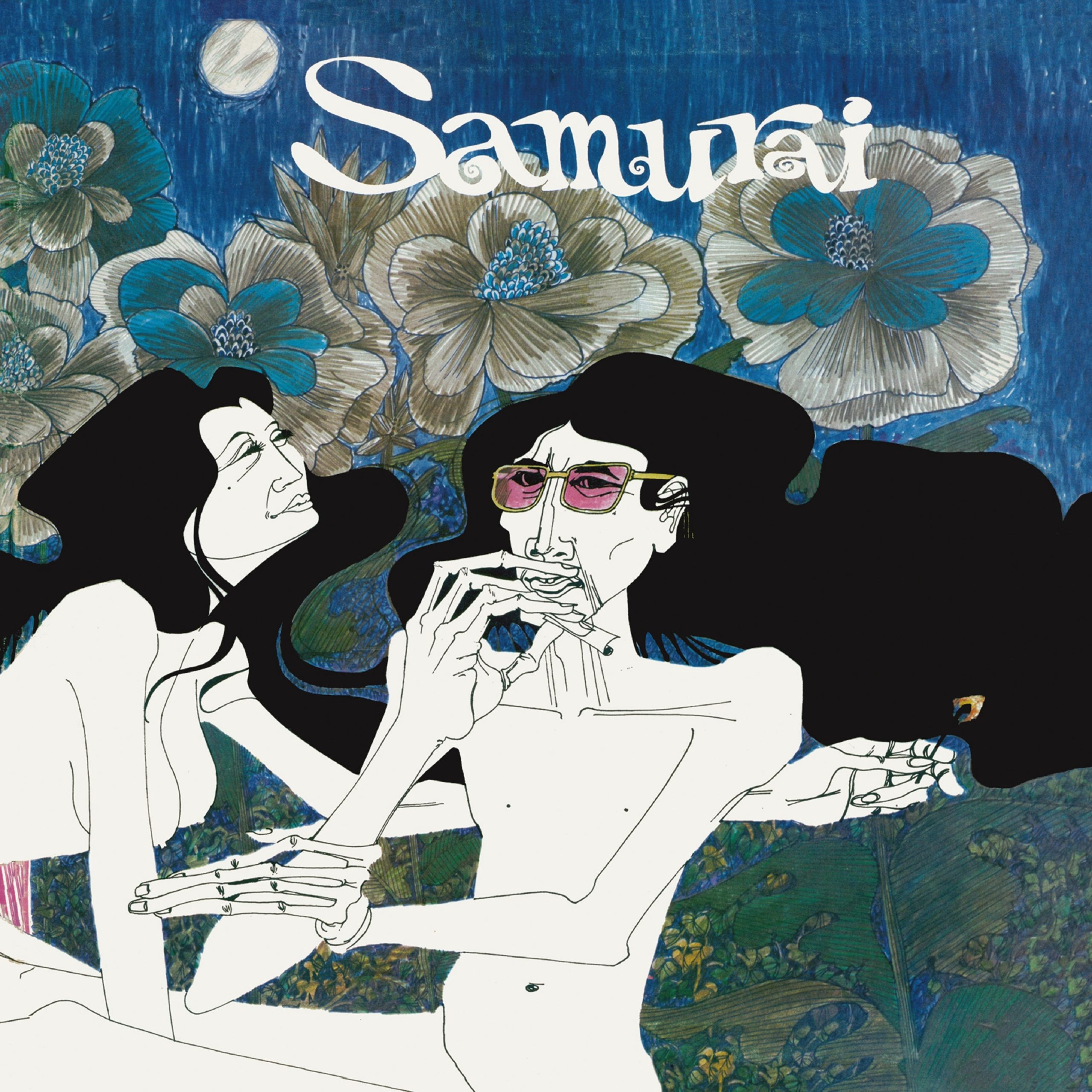 By the end of the 60s, jazz fusion band The Web had recorded and released two interesting but commercially unsuccessful albums. 1970 found the struggling musicians in a period of minor flux: a change in line-up saw frontman John L. Watson replaced by vocalist/keyboard player Dave Lawson (ex-Alan Bown) and a change of label took the newly christened Web [no longer the definitive; that was so last decade – just ask Pink Floyd] from Deram to Polydor. The new phase saw the release of their third and arguably best known LP, ‘I Spider’. ‘I Spider’ became their most famous work not through any increased exposure or notable sales, but by eventually becoming one of the era’s most sought after rarities.
By 1971, the final Web line-up changed their name to Samurai, switched record companies again and released one sole LP on the Greenwich Gramophone label. Like its predecessors, ‘Samurai’ failed to convince the record buying public and eventually faded into relative obscurity. Much like ‘I Spider’, the Samurai LP gained interest on the collectors’ market over the following quarter of a century, but never really got the mass re-appraisal it deserved. Despite the band showing lots of talents that should have found them mentioned in the same breath as Gentle Giant, King Crimson and early Soft Machine, the name Samurai is likely to be greeted with a shrug.