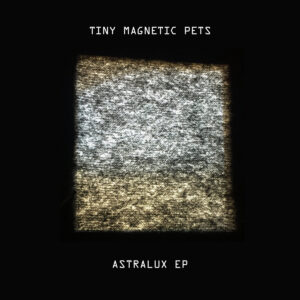
 Back in 2025, Irish synth poppers Tiny Magnetic Pets released ‘Harmonious Grey’, a four track EP that combined some strong songwriting chops with some very familiar sounding 80s and 90s inspired sounds. The lead track, ‘Low Places’ mixed the band’s poppier instincts with a slightly sinister, low sounding synth riff that created a hook that worked even more directly than any of the band’s lyrics.
Category Archives: Album & EP Reviews
LOVE GHOST – Anarchy And Ashes EP
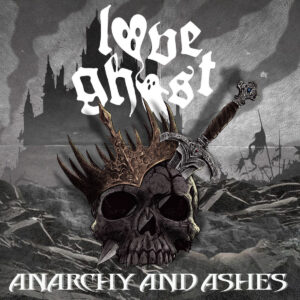 Love Ghost’s ‘Revolution Evolution’ is a pleasingly chunky affair. The basis of the arrangement has a common root with some of the more industrial sounds from the Metropolis label, but the band uses that heavy, mechanical sound to build something more interesting. In places, a heavy, grinding riff touches upon a Rob Zombie-ish intensity, which coupled with a vocal that sounds like a distant relation of Marilyn Manson, creates something that lovers of 90s sounds will love. The real interest here, though, comes from the track’s quieter elements, in particular, a verse that couples a drawling, almost sneery vocal with a twangy guitar tone that owes more to a cinematic style. With a few of these elements heavily treated to bring a darker mood and with the melodies occasionally underscored by sirens, this creates a brilliantly unsettling listen and a perfect way to kick off the ‘Anarchy and Ashes’ EP, the LA-based act’s seventh release.
THE FALL – Fall Sound Archive Vol. 13: Cerebral Caustic
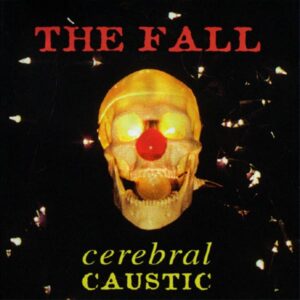 The Fall’s fanbase is notoriously obsessive, but there aren’t likely too many fans who would consider the band’s seventeenth full length studio release, 1995’s ‘Cerebral Caustic’, to be one of their very best. It lacks the sheen of 1994’s ‘Middle Class Revolt’, and kicks off a three album run of less essential offerings. The rougher production values call back to the band’s origins in some ways, but with less distinctive material in hand, the bulk of ‘Cerebral Caustic’ often sounds like Mark E. Smith and cohorts going through the motions with a selection of garage rockers given a post punk edge. If you approach it expecting not much more than that, it’s actually fine for what it is, but considering the band featured Karl Burns, Steve Hanley and Craig Scanlon at this point, and the album marked the brief return of Brix Smith, it should be better than it is.
YOUNG MARTYRS – Might Just Be Enough
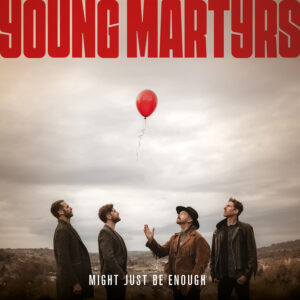 The third album from Bath’s Young Martyrs is easily their best release to date. Its ten tracks – straddling rootsy rock, melodic rock and a whole wave of Americana sounds with a pinch of UK influence – showcase a mature sounding band. More importantly, ‘Might Just Be Enough’ presents the work of musicians who have a natural gift for well crafted songs.
HIKE THE PEAK – Earth EP
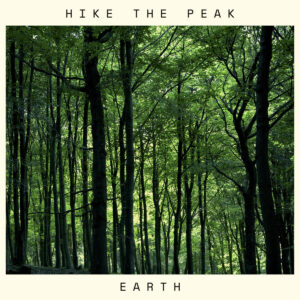 Towards the end of 2025, musician Lee Byatt collaborated with a couple of heroes from the punk underground to create Hike The Peak’s ‘Water’ EP, the third release in the band’s ‘Elements’ cycle. The songs featured the band’s now trademark melodic punk and skate punk riffs along with the expected thoughtful lyrical content. Although the results weren’t as immediately exciting as the earlier ‘Air’ EP, the material still gave fans enough to enjoy.