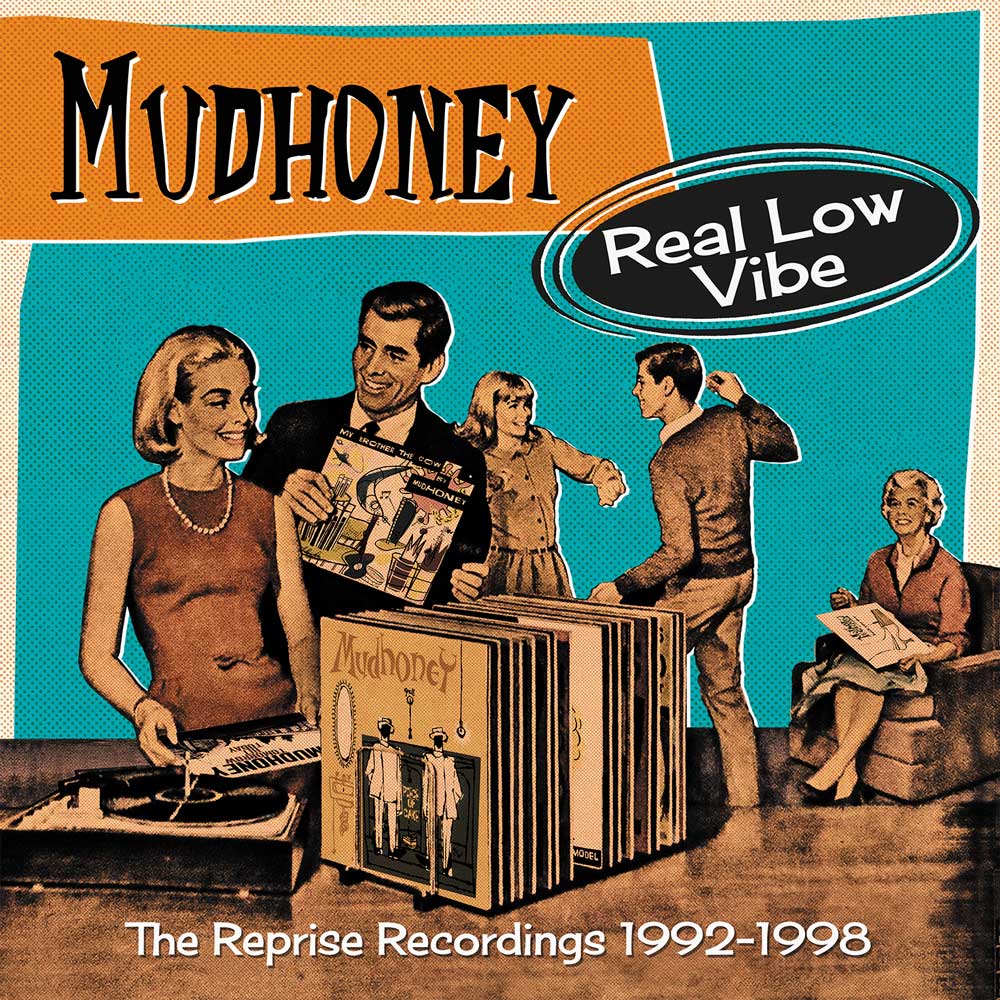
 Following the massive success of Nirvana’s ‘Nevermind’ album at the end of 1991, the major labels turned their attention to Seattle and the surrounding areas hoping to sign “the next big thing”. Bands that’d been working hard on an underground scene suddenly found themselves thrown in the spotlight as the musical tide turned. Screaming Trees signed a deal with Epic Records and subsequently released their three finest albums (including the career defining ‘Sweet Oblivion’); Tad moved up the ranks from Sub Pop to the East/West label and even Melvins – previously considered an almost unmarketable commodity – struck a three album deal with Ahmet Ertegun’s legendary Atlantic Records.
Tag Archives: cherry red records
GRAHAM BONNET – Graham Bonnet
 In the late 60’s, singer-songwriter Graham Bonnet scored a massive hit single with cover of the Bee Gees’ ‘Only One Woman’ as part of pop duo The Marbles. Like so many pop acts of the era, The Marbles’ time at the top was brief. Neither of Marbles’ follow up singles or their album made anywhere near the same impact and they split soon after. Graham could’ve returned to his hometown of Skegness having at least briefly been a star, but realising he had more to give, he plugged on. He first made the move into recording advertising jingles as a means to pay bills, before releasing a couple more unsuccessful singles in the early 70s. Material for a solo album was recorded in 1974 but shelved for over forty years. After an appearance in the 1975 UK comedy film Three For All – starring his then partner Adrienne Posta – Bonnet finally made a step in a more positive direction career-wise when he signed a deal with the small Ring-O record label, with whom he released two full length albums, ‘Graham Bonnet’ (1977) and ‘No Bad Habits’ (1978).
VARIOUS ARTISTS – Halcyon Days: 60s Mod, R&B, Brit Soul & Freakbeat Nuggets
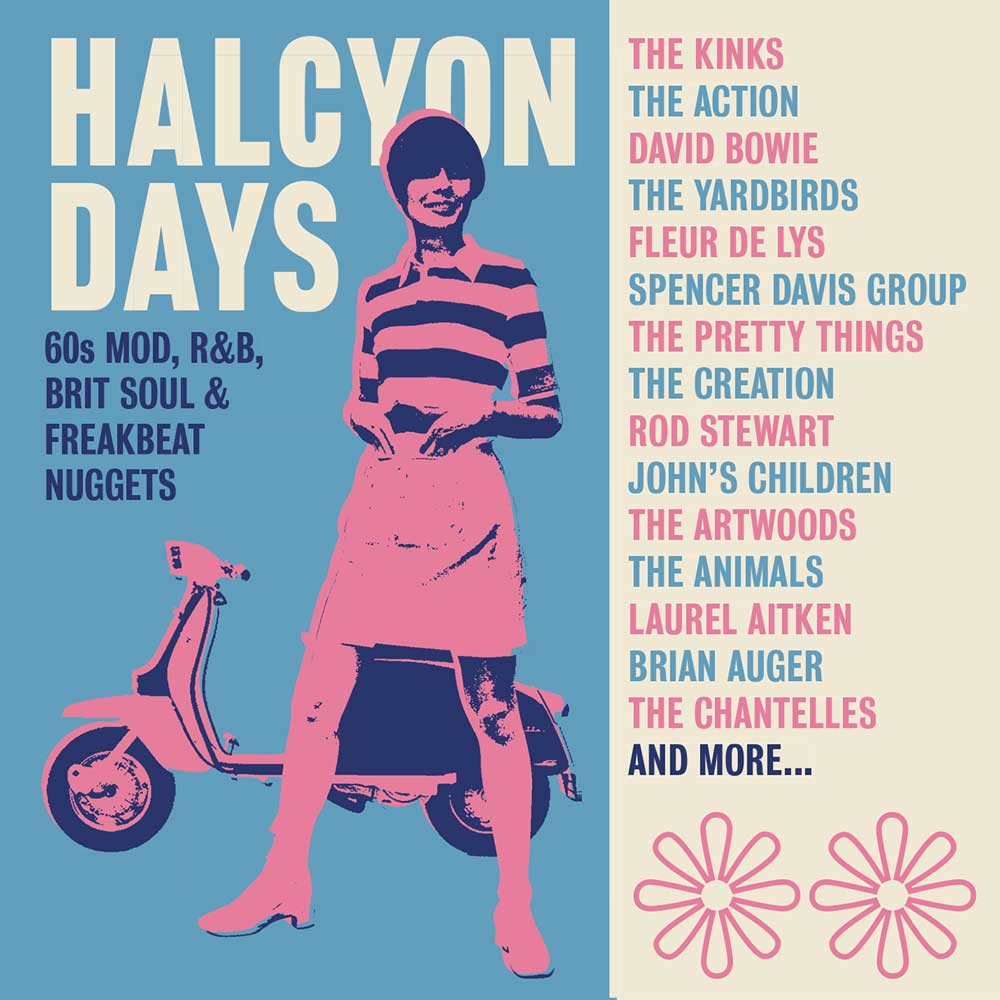 The inaugural release from Strawberry Records, ‘Halcyon Days’ aims high in terms of 60s entertainment. Bringing together a great selection of mod, soul and freakbeat sides, it presents famous names alongside forgotten heroes; places cult floor fillers, deep cuts and a few genuine rarities among fantastic (and sometimes very interesting) covers of well known tunes. Across nearly 90 tracks, it sets itself up as a varied and comprehensive listen. It’s very much the kind of set tailor made for those who’ve worn out the more bog-standard mod comps and are looking for a world beyond The Action, The Creation and those much-loved Spencer Davis Group hits.
JON ANDERSON – Song Of Seven
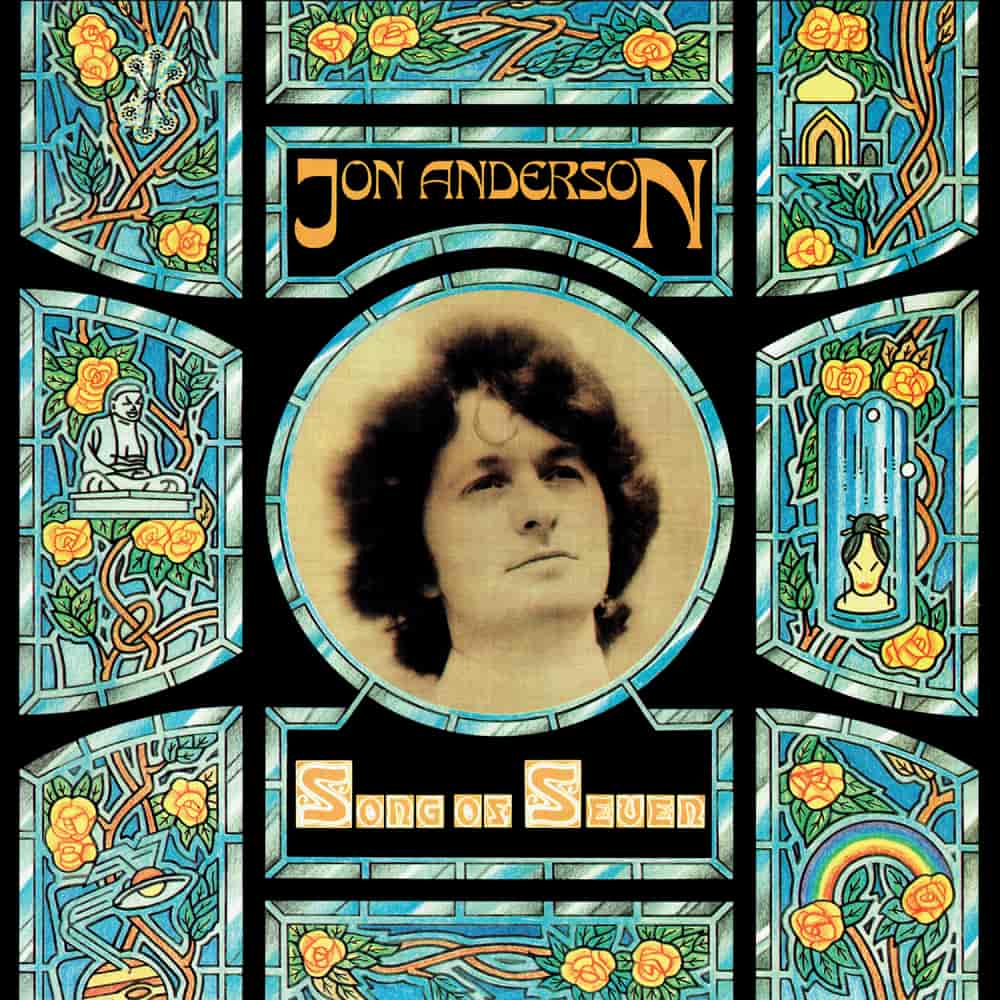 Following a gruelling tour for their complex ‘Relayer’ album in 1975, the members of Yes took time out to work on solo projects. Steve Howe’s ‘Beginnings’ and Chris Squire’s brilliant ‘Fish Out of Water’ most closely resembled the directions the a Yes album could’ve taken, while Jon Anderson’s ‘Olias of Sunhillow’ opted for something far more experimental. Its forty five minutes blended pseudo-science fiction lyrics with ambling new age and prog rock sounds. Although loved by fans, it didn’t offer much in the way of actual songs. Despite its lack of commercial potential, the album reached #8 on the UK album chart, making it the most successful of the Yes solo discs.
By the time Yes reconvened in 1977, they adopted a much leaner approach to songwriting. On their next album ‘Going For The One’, the indulgent epics that had dominated their three previous albums were largely sidelined in favour of something more accessible. This saw them applying their usual prog traits to something more rock based on the title track, exploring Jon’s new age pop on ‘Wondrous Stories’ (a surprise UK top 3 hit), and in the epic ‘Awaken’, there was even a chance to appease the die-hards who pretended to enjoy ‘Tales From Topographic Oceans’. In many ways, ‘Going For The One’ is the archetypal Yes album – it showcases the broadest range of the musicians’ talents while offering something for almost every interested listener. 1978’s ‘Tormato’ followed the same formula but yielded a lesser result, but still contained a few genuine gems. Nearing the end of the decade and having survived changing musical fashions, Yes seemed to be on a roll. Things then fell apart when tensions arose during the demo stage for the next recording. Keyboard player Rick Wakeman left the band for the second time and – potentially more devastating – vocalist Jon Anderson, one of Yes’ most distinctive contributors – followed him. Looking to pastures new, Jon quickly embarked on other projects. Sessions with keyboard virtuoso Vangelis (who’d missed out on a Yes job in the mid 70s and worked with Jon on his own ‘Heaven & Hell’) resulted in a very successful album, ‘Short Stories’ and a huge hit single in ‘I Hear You Now’. Armed with a couple of old demos and a whole world of ideas, Anderson then set about crafting what was to be his second solo LP.
GRAHAM BONNET – Back Row In The Stalls
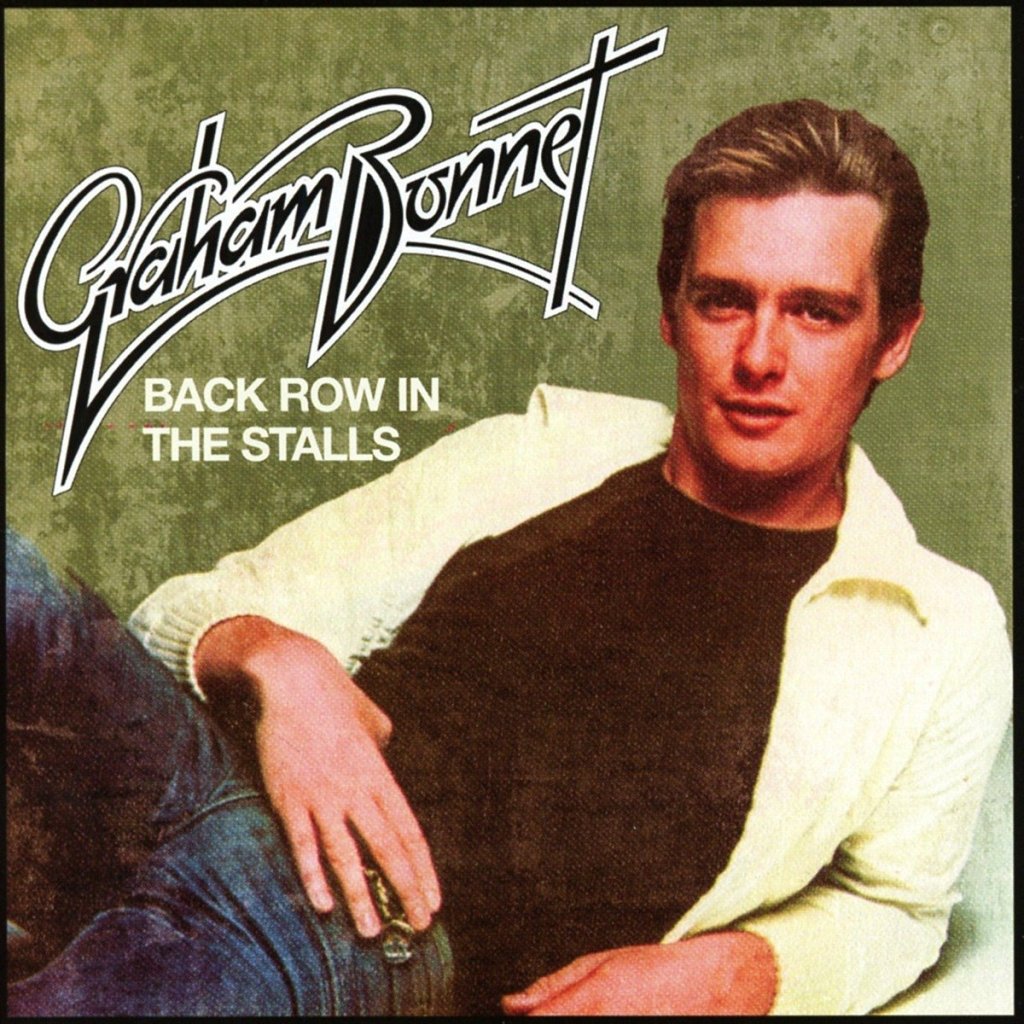 For most people, Graham Bonnet will be best known for his brief stint as Rainbow vocalist between 1979 and 1980. Although he didn’t get to spend long as Ritchie Blackmore’s singer of choice, his talents drove two of the band’s biggest singles – ‘All Night Long’ (a UK #5 hit) and the brilliant radio staple ‘Since You Been Gone’ (UK #6) – and he also performed with Rainbow when they headlined the first Monsters of Rock Festival in August 1980. You could definitely make a case for him being the band’s best-known voice.
Bonnet’s career as a professional singer started over a decade earlier and he achieved a brief spell of fame as one half of pop duo The Marbles, whose ‘Only One Woman’ (an oft-overlooked UK top 5 hit from 1968) showcased a voice that would later become an instantly recognisable talent. Following The Marbles’ early demise, Graham embarked on a solo career, but as careers go, it was rather slow to get off the ground. In 1974, he recorded material for what was to be his first solo album, but the recordings were shelved at the last moment. These were subsequently believed lost until they turned up on a cassette four decades later. Most of these songs were issued digitally as ‘Private-i (The Archives, Vol. 1)’ in 2015, but given the age of the average Bonnet buff, a bunch of digital files would never suffice. Thankfully, the bulk of the material – plus bonus tracks – appeared on CD the following year. With its original title reinstated, Graham’s debut LP finally became a reality.