At some point nearer the autumn, Irish singer-songwriter Kolumbus is set to release his debut EP ‘Give Them Life’. Ahead of the EP, he’s streaming the lead track ‘I Hope You Find Happiness’ over on his Bandcamp page (the track can also be streamed below).
SILVERBONES – Wild Waves
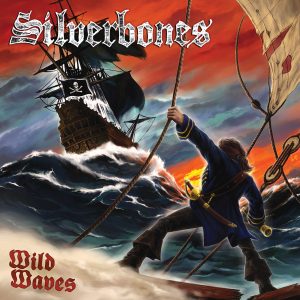 The questionable waters of “pirate metal” will always be ruled by Germans Running Wild, a band who took their concept to extremes and churned out albums for years. One of them even came with a warning of “loud sound effects” on the sleeve…and true enough, there were cannon noises loud enough to cause harm to many an expensive speaker set up. Other bands have attempted to cash in similar themes, but few – with perhaps only Alestorm worthy of a mention – have come close to creating such shiver-me-timbers silliness with such fervour.
THE SWAGGER – The Swagger EP
 With Swervedriver’s Graham Bonner handling production duties and the band booked into The Kinks’ Konk Studios, the debut EP from London’s self-proclaimed grit-rockers The Swagger already got off to a more than reasonable start. Here is a band rich in influences – not only taking cues from the mod pop of Ocean Colour Scene, to the more raucous elements of The Who and a few heavier and psyched bands, but also taking cues from few UK punk bands along the way. This all results in a chunky sound that sometimes rocks, but more often than not, swaggers, thus dishing back each of the influences in a very cock-sure manner.
EDITORIAL COMMENT: Descendents – Hypercaffium Outdatum Offensium
 At Real Gone, we love the Descendents. We’ve followed the various band members’ careers intensely for decades, through side projects and even through related production work coming from Bill Stevenson’s Blasting Room Studios. We’ve purchased pretty much everything from the Descendents and ALL catalogues and more besides.
In 2016, they announced a return with their first new album in a almost a decade and a half. You’d think we’d be over the moon. After all, we should be thrilled that some of our favourite punk musicians are adding to their already lauded back catalogue, especially after almost giving up hope of any new material…
We’re not. In fact, we’re upset. In fact, we’re utterly offended. In fact, we are so offended we’re BOYCOTTING the new release and we actively urge all punks with any kind of social conscience to think about joining us.
THE HOWLING VOID – The Triumph Of Rain
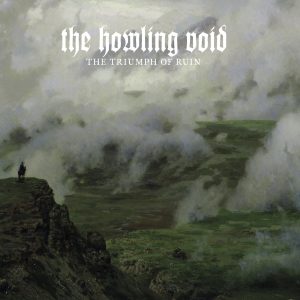 In terms of cinematic doom metal, there are few albums finer The Howling Void’s fifth release ‘Runa’. It’s slow and enormous sound is one that truly provides an immersive listening experience; a collection of heavy tunes which, after hearing, suggests that any follow up would lead to disappointment. The Howling Void’s mainman, “R”, did the only sensible thing: he stepped back and allowed plenty of time to pass before unleashing another album into the wild. Almost three years in the making, 2016’s ‘The Triumph of Ruin’ does not disappoint. It’s perhaps a little softer and a little more gothic in places, but the forty minutes worth of music within very much represents some fine and brooding riffery.