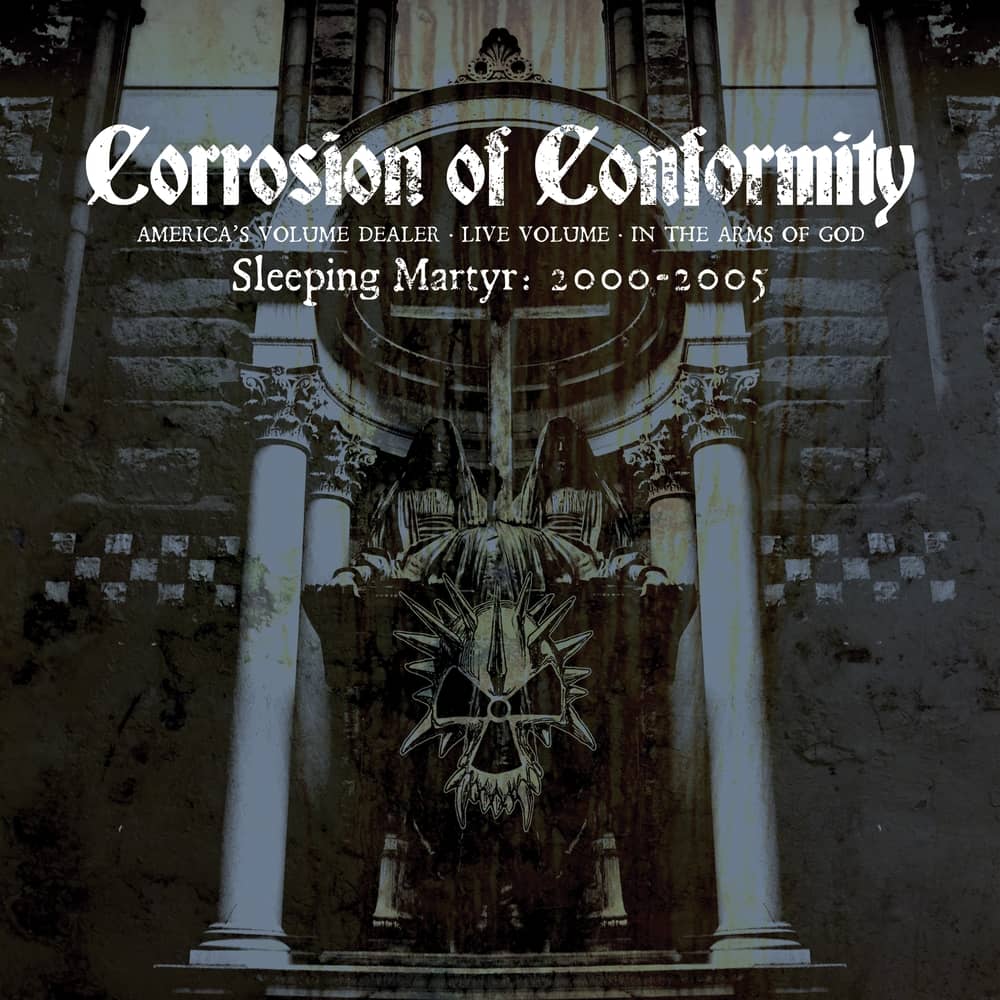
During the first half of their career, Corrosion of Conformity went through a lot of changes to find their sound. Their early thrash metal releases create a confident noise, but didn’t always utilise the best of COC’s combined talents. 1991’s ‘Blind’ blended thrash with a more melodic stoner feel and brought them to a wider audience due to some great reviews, but was still a hit and miss slab of metal. It wasn’t until the release of 1994’s ‘Deliverance’ that the band unleashed something genuinely classic. Part of the greatness came from a shift into even more melodic territory – the COC sound was now dominated by huge stoner vibes and a very retro groove – but just as important was guitarist Pepper Keenan’s decision to take on the lead vocalist’s role. The fourth person to step behind the COC mic, Keenan’s melodic drawl was perfect for the new sound and on tracks like ‘Clean My Wounds’, when dropping Thin Lizzy-esque riffs into a very desert rock scenario, they finally sounded natural in a way they never had before. The follow up album, 1996’s ‘Wiseblood’, gained even more commercial attention due to an appearance of James Hetfield, but 2000’s ‘America’s Volume Dealer’ absolutely knocked that out of the park performance-wise, even if sales were not quite as impressive. With the new millennium, COC finally gave into their natural instincts and became one of the greatest stoner metal bands on the face of the planet.
Tag Archives: cherry red records
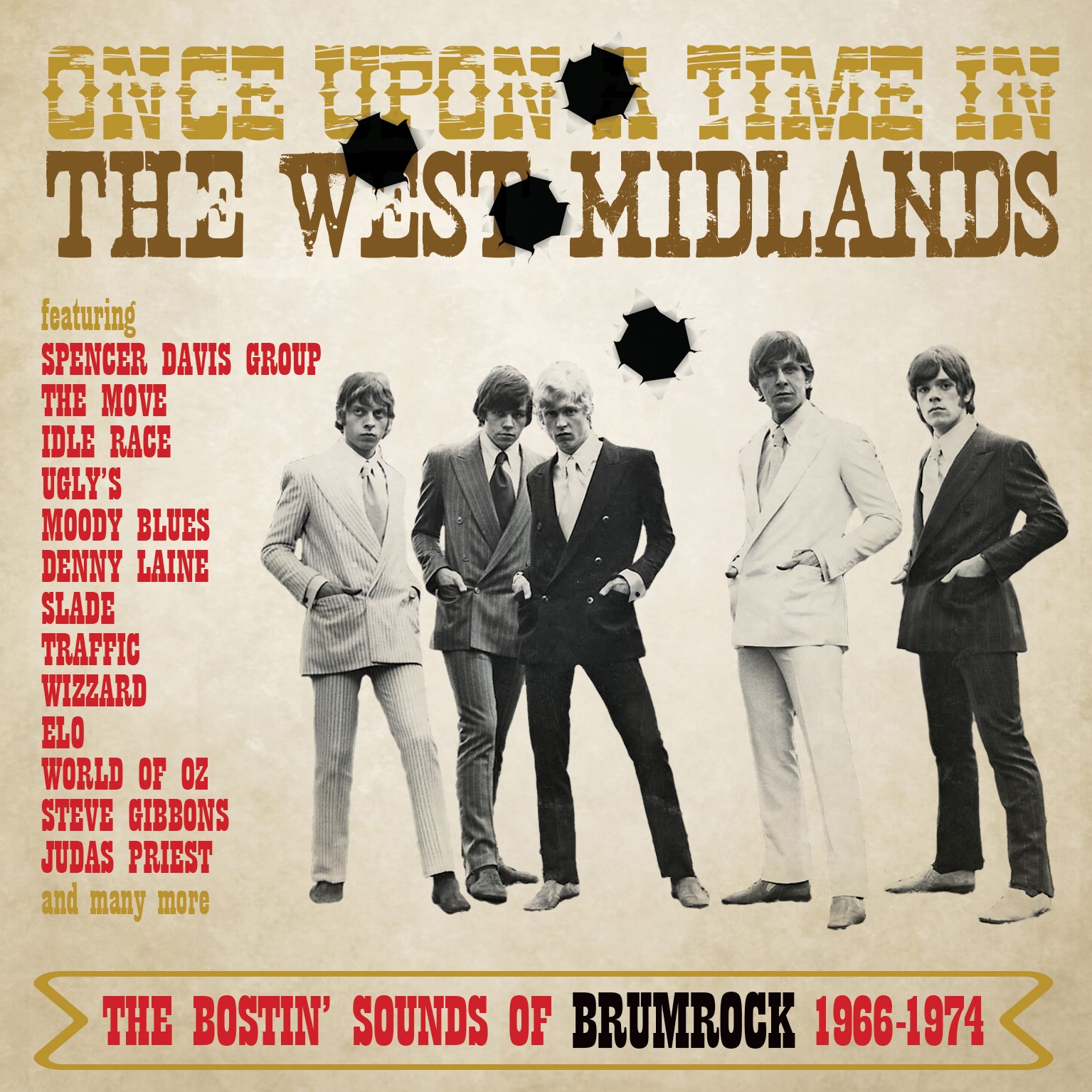
VARIOUS ARTISTS – Once Upon A Time In The Midlands: The Bostin’ Sounds Of Brumrock 1966-1974
When thinking of the rock sounds to emerge from Birmingham and surrounding areas, it’s all too easy to think of Slade and their chart topping stompers, of Roy Wood and his flamboyant take on glam rock, and of heavy metal pioneers Black Sabbath and Judas Priest. All of those bands really helped to put the Midlands on the map – that could never be disputed – but Brum and its surrounding neighbourhoods offered British music so much more throughout the sixties and seventies. ‘Once Upon A Time In The Midlands’ brings together various heroes, forgotten gems, period rarities, and even the occasional hit in a brilliantly compiled 3CD package that’ll educate as much as entertain.
Although the three discs aren’t in a strict chronological order, this collection has a definite flow, moving through psych and beat groups, into a world of seventies rock and finally ending up with the glam-ish sounds of Blackfoot Sue and an early tune from Judas Priest. As always with these sets, though, ‘Bostin’ Sounds’ works best when approached as a curate’s egg, with the listener dropping in at random on a couple of old favourites and discovering something old – yet new – along the way.
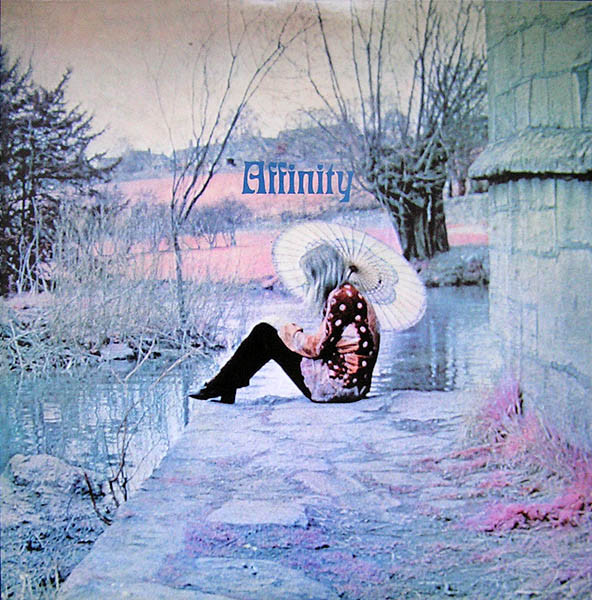
AFFINITY – Affinity
Back in those pre-internet years, it was often difficult to hear really rare albums. There were a whole world of psych, jazz rock and proto-hard rock LPs that were regularly mentioned in Record Collector magazine that seemed shrouded in mystery. Often issued on the Philips, Deram, Major Minor and Vertigo labels, discs by Head Machine, Elias Hulk, The Open Mind and Second Hand – all now available on CD – were almost the vinyl collector’s equivalent of the Holy Grail.
Another such disc, the one and only album by Affinity, was another highly praised gem from the dawn of the 70s that, at one time, seemed destined to languish in the hazy, distant past. In the mid 90s, a decent vinyl pressing could fetch £40-£50; hardly an impulse purchase, should you stumble across one. A CD repressing from Repertoire Records in 1993 finally meant the album became accessible to an audience who missed the band during their brief lifetime, but a lack of UK release meant this disc was almost as elusive. It wasn’t until 2002 that the Affinity LP was given a long overdue CD release on home turf, but that eagerly awaited edition on Angel Air Records was sourced from under par materials.
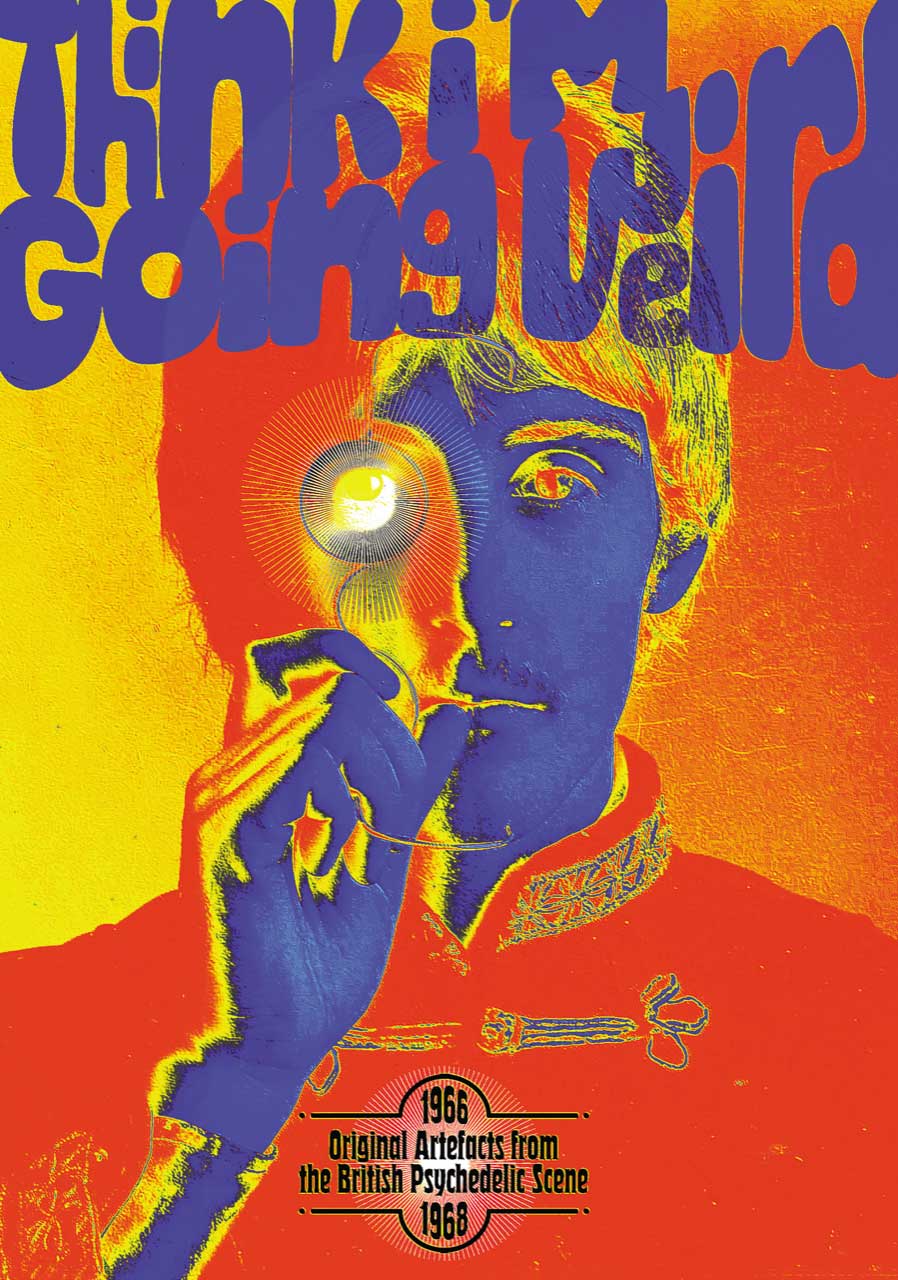
VARIOUS ARTISTS – Think I’m Going Weird: Original Artifacts From The British Psychedelic Scene 1966-1968
Since the label’s launch in the late noughties, Grapefruit Records has worked tirelessly to bring top quality reissues to fans of cult 60s and 70s sounds. Thanks to their archive digging skills, previously unaffordable vinyl albums by Skip Bifferty and Picadilly Line were no longer an extortionately priced mystery; Jeff Lynne’s early years with The Idle Race were reappraised, and dark psych combo Zior reached the ears of many people for the first time.
For all of their well loved archive releases, it’s a trilogy of psych themed box sets featuring hits, misses and rarities from 1967 (‘Lets Go Down And Blow Our Minds’), 1968 (‘Looking At The Pictures In The Sky’) and 1969 (‘Try A Little Sunshine’) that best advertises the label’s eye and ear for great reissues. With that in mind, it seems only natural that the label would raid the archives of psychedelia’s peak years for their hundredth release, and ‘Think I’m Going Weird’ is Grapefruit’s biggest and most adventurous release to date. With over 120 tracks spread across five discs, a larger format book sharing a wealth of important historical detail and rare photographs (with no obvious overlap from the previous 60s psych sets) this British take on ‘Nuggets’ is something of a jewel in the label’s crown.
VARIOUS ARTISTS – Breakthrough: The Underground Sounds Of 1971
According to music historian and author David Hepworth, 1971 is “rock’s most exciting year”. There are a lot of music fans of a certain age who would agree with that: those keen record buyers who still treasure well worn copies of Uriah Heep’s ‘Salisbury’, Caravan’s ‘In The Land of Grey & Pink’, Hawkwind’s ‘In Search of Space’ and Rory Gallagher’s ‘Deuce’; people who’d hit their early twenties in time to hear Pink Floyd’s ‘Meddle’ and Emerson, Lake & Palmer’s ‘Tarkus’ with fresh ears when the sounds of those hugely indulgent arrangements sounded like the future; and certainly not forgetting those for whom the first three Black Sabbath albums heralded the arrival of a whole new genre, but arguably hit perfection in ’71. There’s a lot of further weight to be added to the argument that 1971 is musically significant, with lesser known albums by Samurai and Jade Warrior propping up the art-rock scene, The Zombies’ Colin Blunstone delivering an absolutely killer solo debut with ‘One Year’ and Phil Collins making his first major appearance with Genesis. All of that barely scratches the surface, of course, but it’s fair to say there was always far more to 1971 than Led Zeppelin’s monolithic fourth platter and ‘Who’s Next’.