
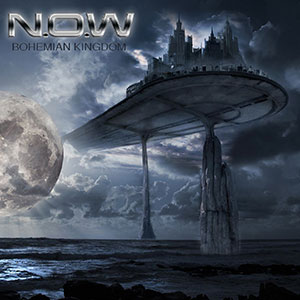
 Under the creative guidance of bassist Alec Mendonca and boasting the vocal prowess of ex-Unruly Child vocalist Philip Bardowell, N.O.W.’s 2010 debut album ‘Force of Nature’ had the makings of an cult AOR classic. It had the well arranged tunes; it had some strong choruses. On the surface, the album had the potential to be very good, but was sadly marred a little due to demo quality recordings (parts of the album were even mastered at different volumes).
Category Archives: Album & EP Reviews
DETROIT REBELLION – Fork In The Road EP
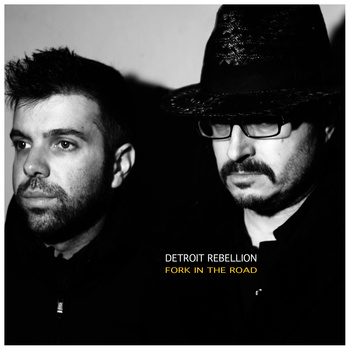 This release from Rhode Island’s Detroit Rebellion offers four tunes of garage blues with a cool, live in the studio sound. While the simplistic approach at the heart of the subgenre usually relies on plenty of slide guitar antics with which to engage the audience, these guys are a little different. Yes, they have slide guitar, but it doesn’t always provide the dominant feature. They may not have the upbeat rock ‘n’ blues grooves of Black Pistol Fire; nor do they ever go for the jugular in the way that first two Dead Exs records do, but in their understated way, these four tunes have their own sense of attitude, something heightened further by the basic recording techniques.
APERIODIC – Future Feedback
 Supposedly, Aperiodic’s debut album resembles The Jesus Lizard twisted out of recognition. Such a premise would be an interesting one, if somewhat unsettling. Despite claims that their free-form jams aren’t completely directionless, what this band’s debut full length album actually delivers is approximately forty minutes worth of lo-fi, extreme free jazz rambling. With bass only intermittently audible and no obvious lead parts except for the drums, it seems these guys’ main agenda is to try and alienate even the most patient of listeners – even those who feel they have an openness to the more extreme forms of alternative and avant-garde music.
NEURONSPOILER – Emergence
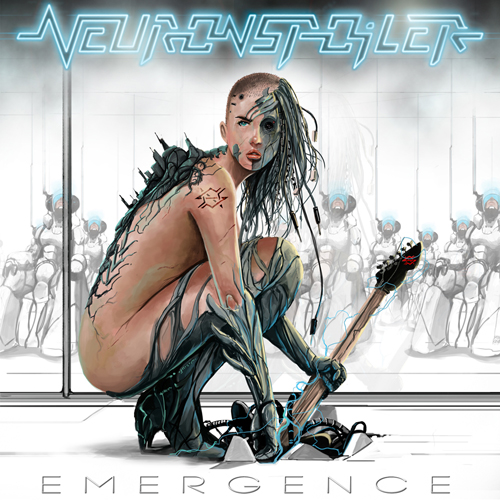 In 2012, London-based metal band Monument released their debut EP ‘Rock The Night!’. While it was highly prised in some quarters for its old school approach, most of their material relied far too heavily on riffs and other musical motifs borrowed from the formative years of Iron Maiden. This didn’t disguise the amount of musical talent within the band, but it was just a shame they didn’t use those talents a little more productively. Featuring ex-Monument guitarist David del Cid, this self-released debut full-length from Neuronspoiler makes up for that. Their promotional photos may show a band who aren’t taking their image too seriously, but the seriousness and intensity with which they approach their music is a different matter entirely. ‘Emergence’ is, perhaps, the release ‘Rock The Night!’ should have been.
ERIC CLAPTON – Old Sock
 Following Eric Clapton’s 1992 appearance on ‘MTV Unplugged’, in terms of inspiration, his recorded output floundered for two decades. While three albums of blues covers (one made up of standards, two of Robert Johnson numbers) are full of enjoyable moments, the rest of his post- ‘Unplugged’ work hardly ever hints at any former glories. At best (as with parts of 2001’s ‘Reptile’), these albums represent a once-fiery musician drifting into late middle age with wishy-washy results, while at worst (1998’s ‘Pilgrim’ and 2010’s ‘Clapton’), the albums are full of easy listening material which the younger Clapton possibly wouldn’t have given the time of day. On his pompously packaged eponymous release of 2010, the clean and sober Eric Clapton had a fixation with 30s and 40s jazz standards and – in comparison to his much younger self – had largely become a musical irrelevance. A somewhat legendary irrelevance, perhaps, but fact is, ‘Clapton’ (the album) presented very little that would interest anyone but the most died in the wool fan…and even some of those found the record to be often forgettable.