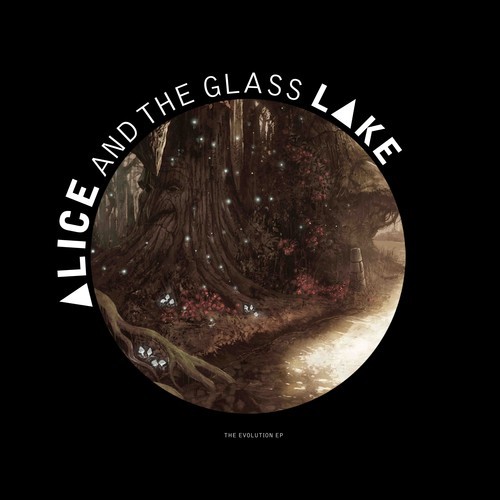
 The brainchild of singer-songwriter Alice Lake, Alice & The Glass Lake explores various dream worlds of pop on this debut EP. Taken at face value, it’s quite, quite lovely. However, it shouldn’t escape the notice of most people that Lake’s pop fantasies and soundscapes owe so much to a few other artists who have graced us before, most notably Florence Welch and her million selling Machine. Still, for those who enjoy very thoughtful pop, that shouldn’t – and doesn’t – make her music any less enjoyable.
Tag Archives: pop
JEFF LYNNE – Armchair Theatre
 In 1987, Electric Light Orchestra head honcho Jeff Lynne sat in as producer with ex-Beatle George Harrison on his hugely popular ‘Cloud Nine’ album. The combination of Harrison’s gift for pop melodies and Lynne’s very distinctive production sound (often revolving around filtered harmony vocals and a gated snare drum leading to a very compressed sound) led to the album being a multi-million seller. The sessions also gave birth to the greatest supergroup ever – The Traveling Wilburys, comprising Harrison, Lynne, Bob Dylan, Tom Petty and Roy Orbison. While some people overlook Lynne’s contribution to the group, it is his studio expertise which, perhaps, brings the most to what we now think of as the “Wilbury sound”.
ALMOST CLASSY – Almost Classy EP
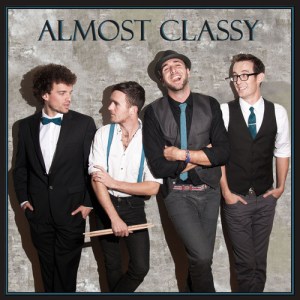 Almost Classy – a four piece outfit comprising members from all over the US – bring various elements of classic pop rock together on their debut EP. Music fans will be about to pick out a myriad of influences throughout these five tunes and the active nature of the band’s arrangements are such that different people could well hear different things, but somehow Almost Classy blend their influences into a wholly enjoyable package that sounds like the work of a band far better than mere copyists.
THEY MIGHT BE GIANTS – Nanobots
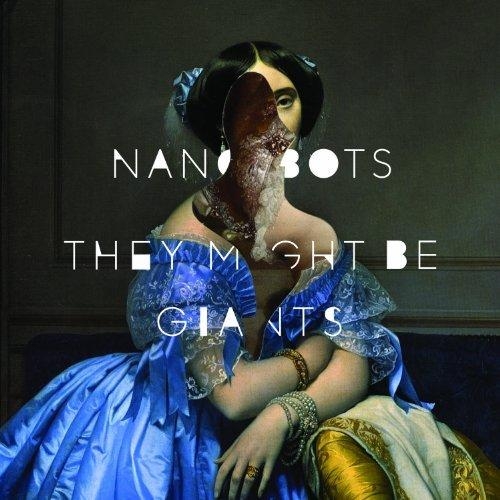 They Might Be Giants have never been known for churning out hits, and yet, have often found themselves with a loyal cult audience and record company support. It’s also hard to believe that – taking on board their sideline in making albums for children – 2013’s ‘Nanobots’ is their sixteenth album. Their first to be released on the power pop label Lojinx in the UK/Europe, does such an association mean the music has shifted farther towards the kind of music often released via that label? No. Is there an obvious hit single among its staggering twenty five tracks? As with most TMBG releases there are a couple of contenders, though as always, the most commercial moments aren’t necessarily the most captivating.
World Party: UK live dates and new track!
Following last year’s 5CD career retrospective ‘Arkeology’, Karl Wallinger is taking World Party on the road for the first time in twelve years.
Travelling with David Duffy (mandolin/violin) and John Turnbull (electric guitar), Wallinger is giving fans a chance to hear World Party classics played in a new way for the first time.